
Subscribe Now!
Poetry News & Quotes
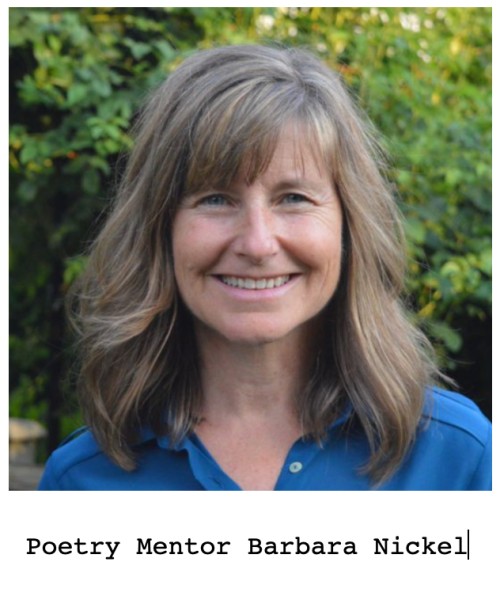
April is National Poetry Month and I have two exciting (at least to me!) bits of news related my poetry to pass along. This month a mentorship I’ve had the good luck to be involved in since the fall is wrapping up. During the program funded by the Writers Union of Canada, the poet Barbara…
Read More...
Six Tips for Staying the Course After Rejection
You slogged through several drafts of your project, probably many drafts. You worked with feedback from trusted colleagues in exchange for feedback on their work, or from a hired editor, to help you get your project to a publishable state. Not only publishable; this book is going to be great! you told yourself. You experienced highs and lows…
Read More...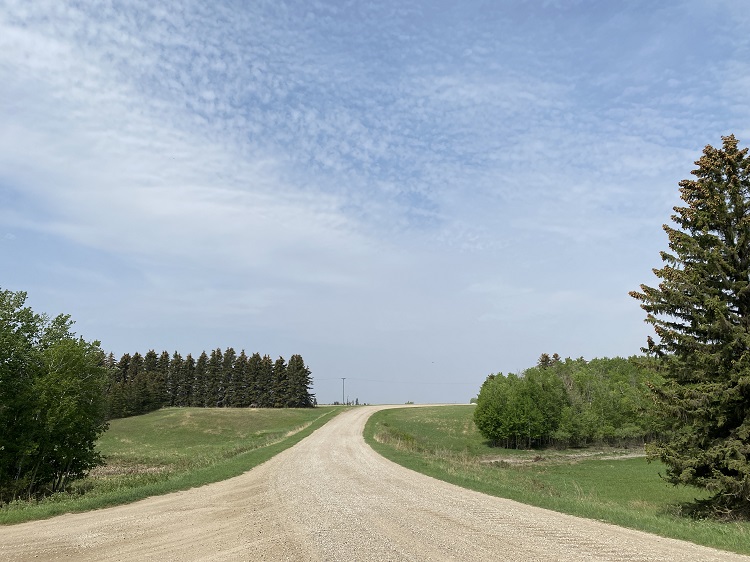
Making Poems and Making Photos: Observations at Sage Hill
Both are ways of being in the world that make you stop and notice or notice and stop. First time you approach a subject you don’t know where it will take you. Sometimes you need to get closer, sometimes to step back. What you create depends on your angle in relation…
Read More...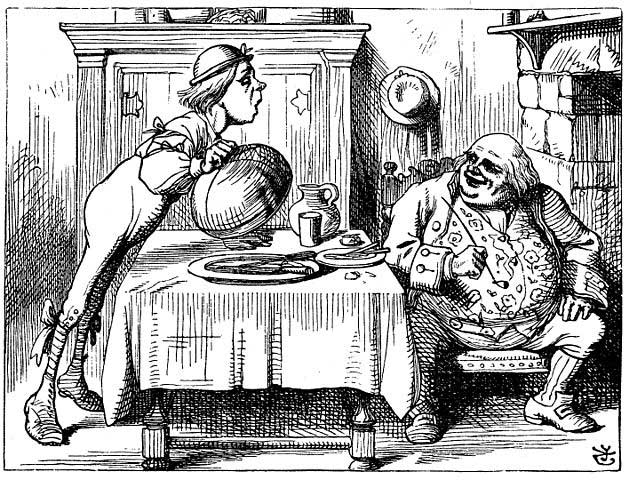
Becoming A Poet
Today I’m on my way to Saskatchewan to participate in a Sage Hill Poetry Colloquium. Anticipating my departure, I recalled several poetry landmark moments in my life, leading up to this one. As a child I loved Lewis Carroll’s “You Are Old Father William” so much I memorized it with no one telling me to…
Read More...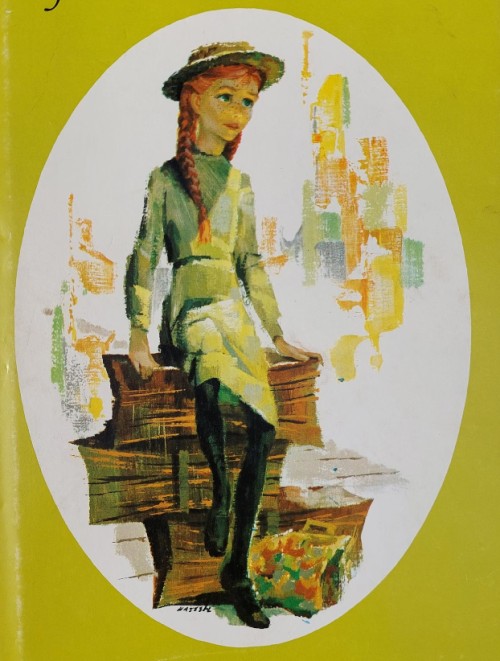
The Poetry Project
I’ve been writing poems lately. Some days I’m surprised and pleased by what I write and think I might someday have something worth submitting somewhere. Other days a voice in my head says: You can’t write poetry. Whatever made you think you could? Why are you torturing yourself trying to write something no one will…
Read More...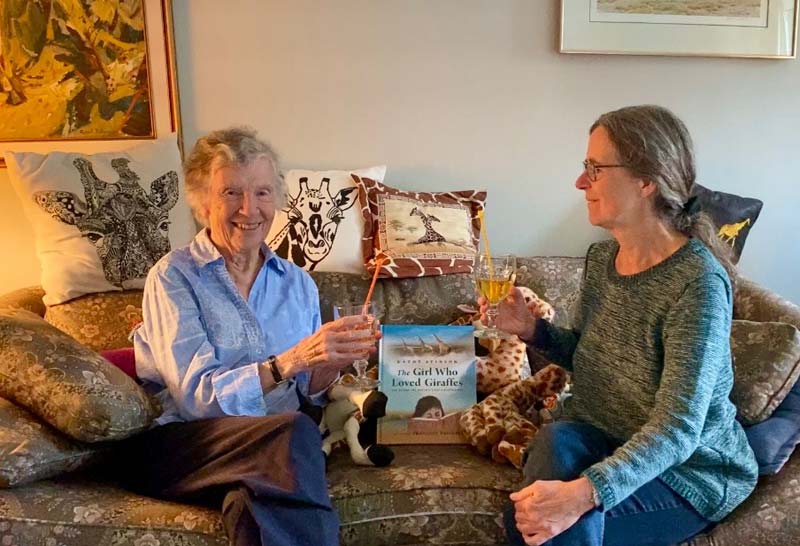
Close But No Cigar
Ever wonder where the expression “Close but no cigar” originated? I had two occasions last month to wonder. This is what I learned. Back in the late 19th and early 20th centuries, players who succeeded at fairground games of strength, accuracy, and skill were commonly awarded a cigar as a prize. The games were notoriously…
Read More...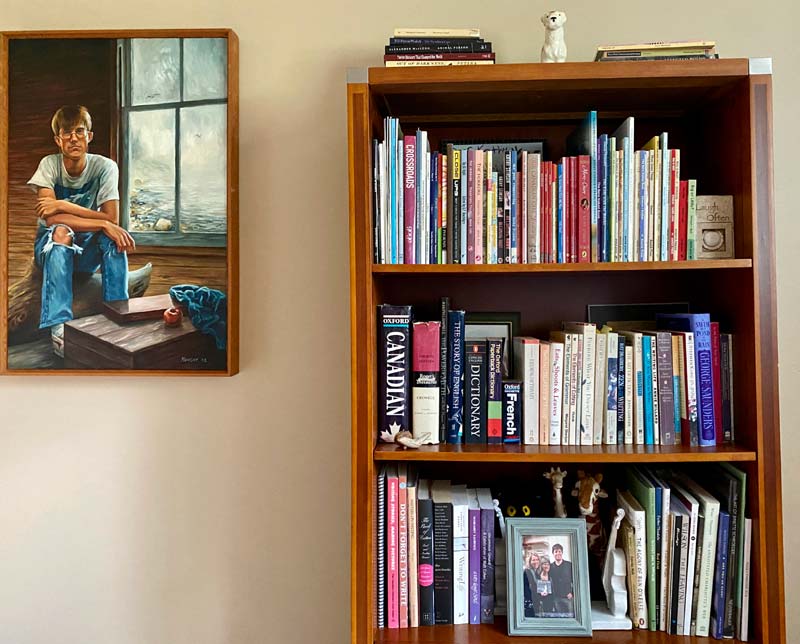
Another Peek at Where I Write
Last month I told you about my desk and the wall beside it. The wall behind my desk tells more stories about my life as a writer. The Painting For my first young adult novel, set in Nova Scotia, Thistledown Press hired Iris Hauser, a Saskatchewan artist to create a cover. They knew the setting was…
Read More...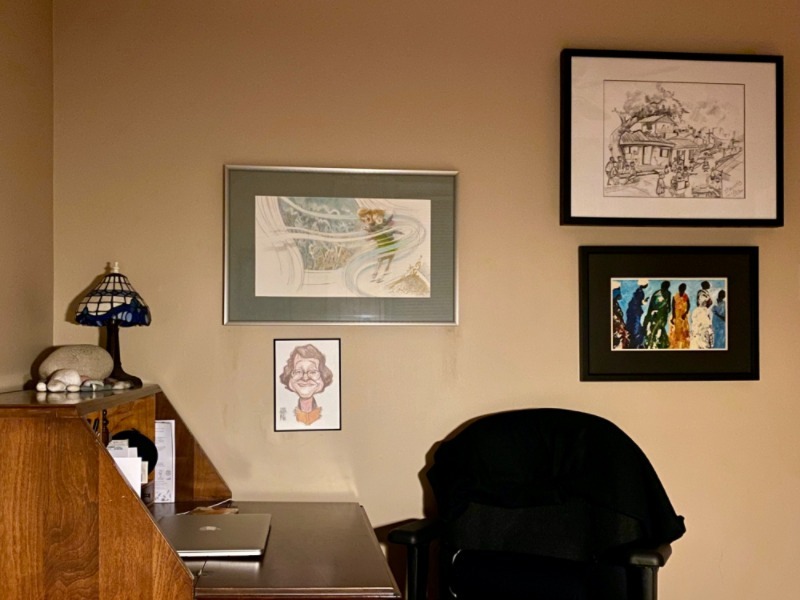
A Peek at Where I Write
All around me in the room where I write are things that act as symbols for much that keeps me going when the writing gets tough: who owned my desk before me; writer-friends; illustrators whose art has perfectly extended the stories I’ve written; the determined minds and open hearts of writers and artists who’ve participated…
Read More...
How 7 nudges led me to my new project for the new year
A number of things late this year have been nudging me in a new direction for my writing. It started in November when I decided to go through a file called “Scribblings” to see just what I’d stuffed in there over the years. “Scribblings” contained notebooks and loose pages; writing exercises I’d done with various…
Read More...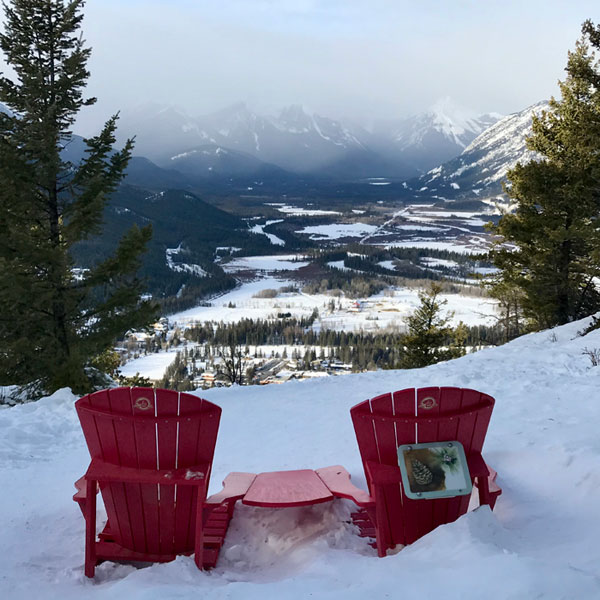
On Coming Home from the Banff Winter Writers Retreat
“We should celebrate what we’ve achieved here. Just getting ourselves here was an achievement,” said a fellow writer on our last evening together. In the plane on my way home, I reviewed the reams of rambling ‘thinking’ notes I’d made while away — to get a sense of how far my project had come during…
Read More...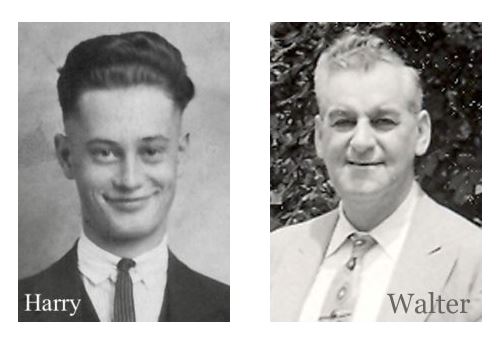
Why Zora? Why Walter? Why Ivy? and Other Name Decisions
Naming characters is sometimes easy. It’s usually not, for me, but it’s always fun perusing baby name websites for possibilities. Kelly in Red Is Best is Kelly because Kelly is the name of my daughter who inspired the story almost 40 years ago. I named the boy in Big or Little? Matthew after my son who inspired that book.…
Read More...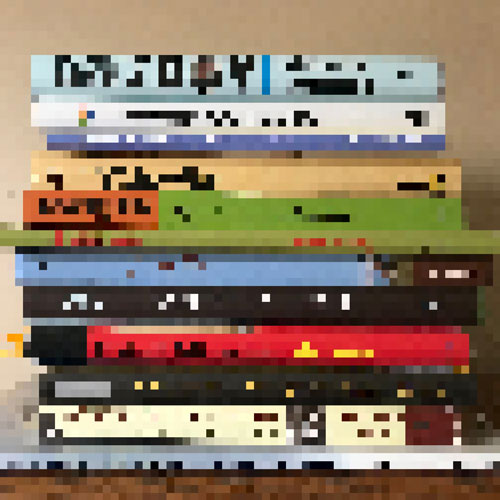
“Are you working on a book right now?”
After “Where do you get your ideas?” and “How long does it take you to write a book?” readers often ask, “Are you working on a book right now?” My answer is always, “Yes.” At a launch of The Dog Who Wanted to Fly this spring, I was asked, “Do you ever work on more…
Read More...
Why Write for Children?
A more eloquent answer to this question I have never heard, than in Deborah Ellis’s talk at the IBBY Congress in Athens last year. Thanks to Deb for permission to quote excerpts. On November 20, 1959, the Declaration of the Rights of the Child was adopted by the United Nations General Assembly. It states that…
Read More...
Stepping Away, Letting Go
Sometimes the best way to renew waning enthusiasm for a project is to step away from it for a while. But what if you step away for a short time, then a longer time, and your enthusiasm simply doesn’t come back? Should you just let it go? Chalk that one up to ‘good practice’ despite…
Read More...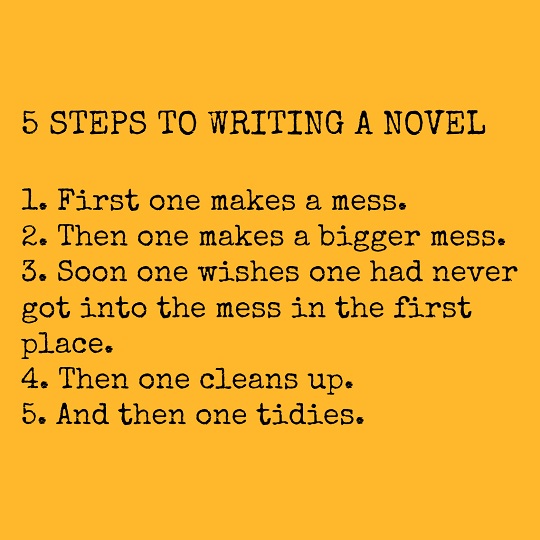
5 Steps to Writing a Novel
For some months now I’ve been mentoring a writer working on her first novel, through CSARN (pronounced see-sarn, short for the Canadian Senior Artists’ Resource Network). As mentor, I am getting paid and my mentee can be reimbursed for expenses. My mentee has encountered the usual stumbling blocks that come with writing a novel. She…
Read More...
A Successful Retreat and One Happy Writer
I hereby declare my writing retreat a success. On the morning of my last full day there, I hit Send! I could go home happy. Not only did I accomplish what I’d hoped to with my novel manuscript (my first for adults), I also managed to do some work on a picture book text and…
Read More...
Solitude – Not Just for Writers
Margaret Buffie is a writer-friend I’ve seen far too little of in recent years. Facebook has kept us connected to a limited degree, enough for us to appreciate that we’re both passionate about photography and nature and family and our summer places in northwestern Ontario. (Or is hers in southeastern Manitoba? I’ve been to hers…
Read More...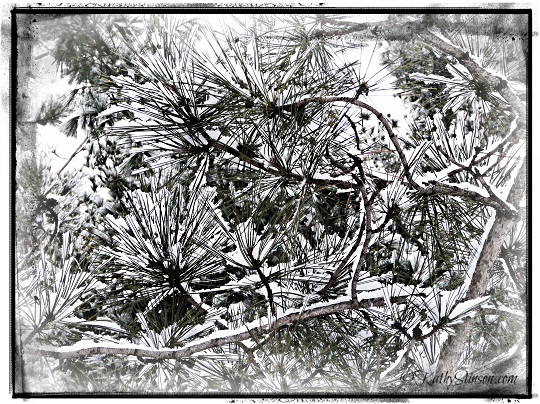
“Creative Vision?” Who Me?
I’ve been taking another online photography course. Different instructors this time — the folks who set up oopoomoo.com and oopoomoo Creatives. I was delighted to win free entrance to the class with a couple of my photos back in the fall. Thank you, oopoomoo! Samantha and Darwin’s Resolve, is more about discovering who you are as a…
Read More...
So You Want to Write a Picture Book
This may be NaNoWriMo but two of my three current writing projects happen to be picture books and that’s where I’m focusing most of my attention this month. I’ll also, in the coming days, be offering practical guidance and (I hope) inspiration to others writing picture books. Tomorrow evening I’m offering a presentation on “Writing…
Read More...
September Weekends
Labour Day weekend on the south shore of Nova Scotia included happy hours with family and then with beloved writer-friend, Budge Wilson. My first weekend home after a long summer away, I made seeing family here a priority: son, daughter, sister, dad, and attachments where applicable (including this lovely boy I hadn’t seen since July). …
Read More...
“When I’m Sixty Four”
Did you know that Paul McCartney was 16 years old when he and John Lennon wrote “When I’m Sixty Four”? Paul and Ringo are the only two Beatles who lived to see 64. John was murdered at 40 and George died from lung cancer at 58. When the song was released in 1967, I was…
Read More...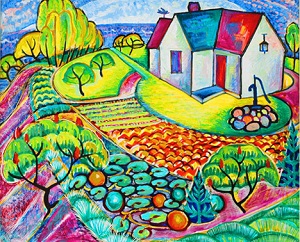
Fool’s Paradise, Here I Come!
Following the death of landscape painter Doris McCarthy in 2010, the Ontario Heritage Trust established the Doris McCarthy Artist-in-Residence Centre, at her request, on the property where she had lived for over 60 years. Her mother did not approve of her purchase of the land in 1939 and referred to the property as “that fool’s…
Read More...
Editing and Editing
Sometimes a sentence flows to paper or screen on a writer’s first approach. Other times it takes editing to get the tone and intended impact just right. During online photography classes with Joy Sussman, I’ve been learning that this can also be true of photographs. Here is an early version and the final version of…
Read More...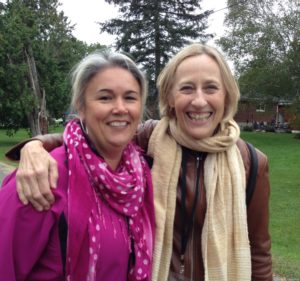
“Green 15”
Sometimes when it was my husband’s turn to drive this summer, I read aloud from William Trevor’s Selected Stories to help pass the miles. We often marveled at how compelling a story was for how much Trevor left out of its telling. I was reminded of one of my (many) favourite quotes about writing, which…
Read More...
Where do you like to work?
The third in my series of sister-inspired posts this summer is about the kinds of environments people like to write in — a topic I’ve touched on in the past but with a different slant this time. Some people thrive on having lots of stuff around them when they’re working. For others, having too much…
Read More...
How to Write a Picture Book
On Today’s Parent’s recent list of the 100 best Canadian kids’ books of all time are two books by yours truly — my first and my most recent, both of them award-winning picture books. Next year will see the publication of my 12th picture book, being illustrated right now by the wonderful Qin Leng. A…
Read More...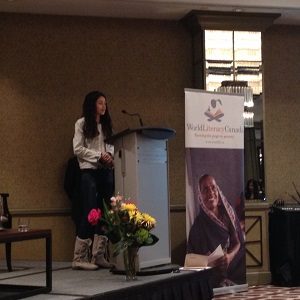
Write for a Better World – Choosing a Winner
World Literacy Canada does some fine work “to promote literacy and foster a culture of global citizenship among Canadians”. I had the opportunity recently to judge stories by students in grades 5 to 8 who entered WLC’s “Write for a Better World” contest. Reading 20 of the hundreds of entries and narrowing them down to…
Read More...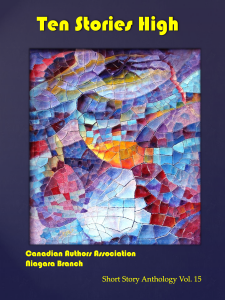
Stabbing the Pumpkin
When I told members of my writing groups that a story of mine placed second in this year’s “Ten Stories High” contest, they wanted to know which one. I told them: “Restraint”. They looked at me blankly. “You know,” I said. “The one that starts with Larry stabbing the pumpkin.” Immediate recognition. Amazing how a…
Read More...
How To Write
I keep a file I call “Random Thoughts” alongside any writing project I’m working on, especially if it’s a long one. In “Random Thoughts” is where I write about issues I’m sorting out: whose point of view is best for this story or scene? what might this character do next? is this action in keeping…
Read More...
Kids, Get Writing!
When I was in grade school, I wrote a story that went like this: One day Carol asked her mommy if she could go and sit on a rock. Her mommy said she could. After a while she saw a thing come out from behind a rock. She said, “Hey Mr. Turtle, where did…
Read More...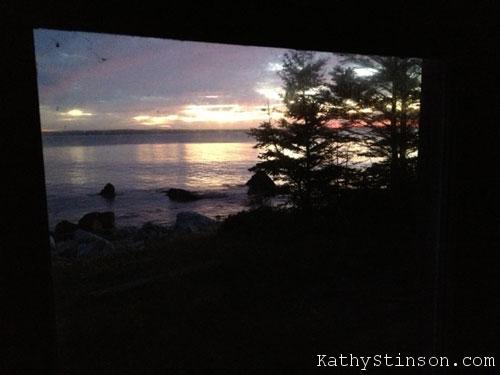
Writing by the Sea Again
It won’t be long now before I’m writing by the sea again, in the fish house that inspired me last year to set up my “fish house” in the furnace room back home in Ontario. I wonder which of the writers attending our Seaside Workshop/Retreat this year will find the magic that can happen when…
Read More...
“Who should I get to illustrate my manuscript?”
That’s just one of the questions posed in the chapter “Illustration” in my e-book Writing Picture Books: What Works and What Doesn’t. The answer? No one. Not your brother or friend who likes to draw or your talented aunt who painted the picture over the sofa at your cottage and would love to illustrate your book. Only…
Read More...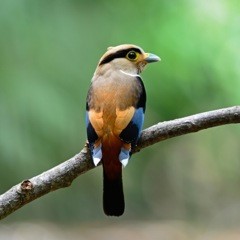
One Voice In A Grand Choir
Trying to recall the exact words on a poster I saw in a school library some years ago, I did an internet search and discovered this: Use the talents you possess, for the woods would be very silent if no birds sang except the best. — Henry Van Dyke The words on the poster may not…
Read More...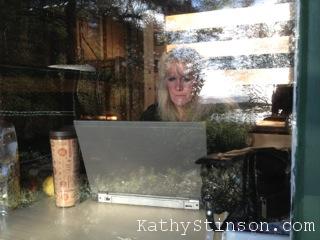
Your Chance to Write by the Sea
Every morning that I’m free to work on my current project – to write a new section, revise an existing one, or bash out some notes to help me work through a logistical problem – I approach my writing desk with eagerness for what might happen there this time. This may be because I love…
Read More...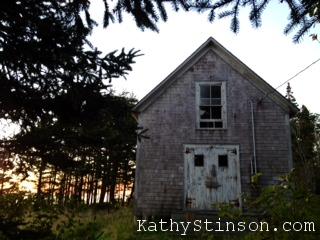
Going to the Fish House
During our Seaside Workshop/Retreat this year, I spent the quiet-time hours of the morning writing in three different places: my upstairs bedroom with the door closed and the light off on a daybed in an secluded corner of the upstairs hall of the house in the fish house, pictured here, about a 5 minute walk…
Read More...
“Writing With the Old Ones”
Having read several novels by Richard Wagamese, (Ragged Company, Indian Horse, and Dream Wheels), I knew as soon as I found out he offers workshops, that I wanted to take advantage of the opportunity to learn from him. In the spring I registered for a workshop that was to take place in August, and was sent a copy of his handbook,…
Read More...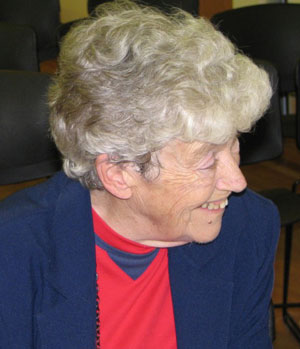
Claire Mackay, 1930-2013
Across the country, news of Claire’s death on August 11 was met with much sadness. Friend, writer, mentor, a founding member of CANSCAIP, wife, mother, grandmother – it goes without saying she will be missed. Among words used to describe her on CANSCAIP’s Facebook page (and elsewhere) are: kind, funny, smart, wise, witty, wonderful, a…
Read More...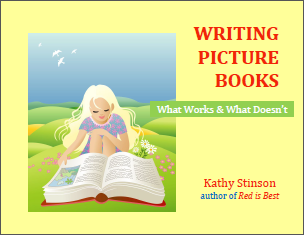
Help For Your Picture-Book-Writing Woes
Sometimes you get a great idea for a story, you write it with a great sense of ‘This one is going to be great!’ But when you read it over (or get feedback from your trusted writing group), you discover it’s definitely not as good as you were sure it was going to be. (It…
Read More...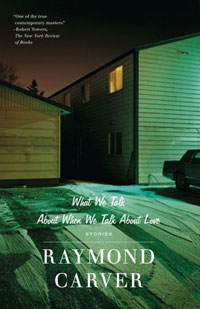
What 1 Movie & 2 Short Stories Taught Me About Writing
After I saw the Australian movie Jindabyne recently, I decided to read the Raymond Carver short story on which the movie is based. It was fascinating to see how Beatrix Christian adapted the short, spare text of “So Much Water So Close to Home” to create a compelling 2-hour movie. So often when we see…
Read More...
Whose Point of View?
Like many writers, I’m drawn to stories told from multiple points of view. I think this is because, as writers, we’re fascinated with the different ways people perceive and experience the world, and how that influences their behaviour. We may also be keen to see events from all sides. But which of many possible viewpoints are needed to…
Read More...
Stuff bloggers have said about Me
“Kathy Blogged” has disappeared from the Author menu on my website. Those words never quite captured what they were trying to say: Here are some blogs where Kathy Stinson is mentioned. But rather than just see some of the neat things bloggers said totally disappear, I decided to put a few of them into a…
Read More...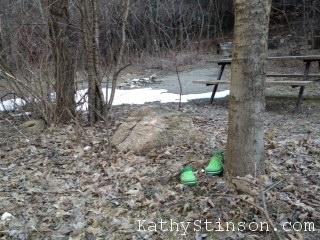
Photo of the Month #11
I wasn’t crazy about writing when I was a kid, but I did like it when the teacher gave us a picture as a starting point, especially if the picture inspired questions. Who? What? Where? And the best one: Why? What would I have written if she’d given us this photo (which she couldn’t have…
Read More...
Thank You, Terry Fallis!
While waiting for editorial feedback on What Happened to Ivy last winter, I started work on some short stories, thinking they might be less overwhelming – more easily broken into smaller chunks of work – than another novel would be, even if I was aiming to have enough stories, eventually, for a collection. Of course…
Read More...
Writing Picture Books
Need help with your picture book manuscript? From the introduction to the updated e-book version of Writing Picture Books: What Works & What Doesn’t: Many books aim to help writers write better books, but not many with the specific purpose of helping writers write better picture books. Why is this? Because writing picture books is…
Read More...
Our 7th Seaside Workshop/Retreat
Word is spreading across the country that the place to be in September is at the Seaside Workshop/Retreat that Peter Carver and I have been offering for several years now. Thanks to all participants who have shared their enthusiasm for the experience. We offer time to write free of interruptions, feedback on your current writing…
Read More...
Writers’ Blogs I Like Reading
Sometimes after a lengthy interruption to one’s writing life, it’s hard to get back in the groove. Whether time away from a project is for holiday celebrations, vacation, tending to the needs of family or friends, or for work that’s sure to put bread on the table next month, there’s an inevitable break in any…
Read More...
A Plug for CANSCAIP
If you enjoyed any of the instalments of “An Intimate Examination of Sock Fluff” posted over the past 14 months and would like to read it in its entirety, you can find all the pieces of it by selecting Speeches in the Blog Categories or by entering Sock Fluff (or even just ‘fluff’) in the…
Read More...
“An Intimate Examination of Sock Fluff” Part 14
The last excerpt from my PYI keynote in a series that started in December 2011… I rather like it that the last installment of this ‘spectacular’ and ‘inspiring’ Packaging Your Imagination’ keynote is landing at the start of the new year. I hope it will inspire you in whatever your undertakings may be this year……
Read More...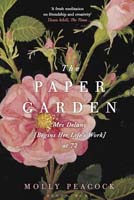
Review of The Paper Garden by Molly Peacock
The Paper Garden: Mrs. Delany Begins Her Life’s Work at 72 by Molly Peacock is a beautiful book. Of course it’s beautifully written. The story of this 18th century botanical collage artist is by poet Molly Peacock, who draws fascinating parallels, along the way, between her own life and that of Mary Granville Pendarves Delany.…
Read More...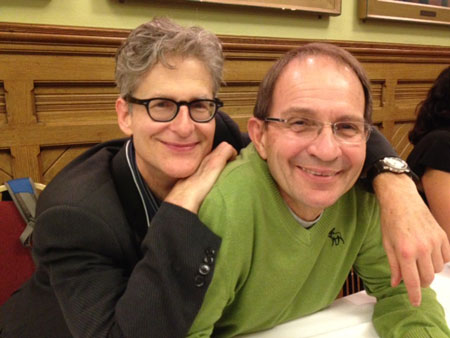
CANSCAIP’s 28th & 35th
Last weekend I attended the 28th Packaging Your Imagination conference organized by CANSCAIP – the Canadian Society of Children’s Authors, Illustrators, and Performers. It was a great example of what the organization, as I see it, is all about: creative people sharing information, knowledge, and wisdom with others. Every person who attended will have picked…
Read More...
Congratulations, You’re #10,995!
This month Amazon added a “new feature” to “make it easy for readers to discover the best-selling authors”. Excuse me, but is there a literate person on Earth who needs Amazon to tell them that the Twilight series sells more books than the Our Canadian Girl series, or that R.L. Stine sells more books than…
Read More...
“An Intimate Examination of Sock Fluff” Part 11
The next excerpt from my PYI keynote in a series that started in December 2011… One of the greatest pleasures I know, while driving, is watching my odometer in anticipation of a symmetrical reading. I find beauty in numbers like 010 010 and 088 880. Even 135 351 is lovely, or 075 075. Sometimes I’ll…
Read More...
Books About Writing
Our house in Nova Scotia still echoes with the voices of the six writers who were here last week, taking part in our Seaside Writing Workshop/Retreat – a stimulating and inspiring group. Among many books recommended as we discussed the writers’ works-in-progress were a number about writing. Writing Picture Books: What Works & What Doesn’t by…
Read More...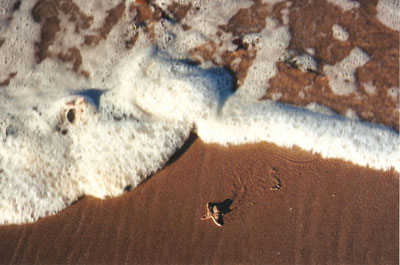
“An Intimate Examination of Sock Fluff” Part 10
This excerpt from my PYI keynote in a series that started in December 2011 will make most sense to you if you’ve read Part 9 of “An Intimate Examination of Sock Fluff”… Bring me back something interesting, Gran whispers as I head off to the beach. If I could, I would bring you the plick…
Read More...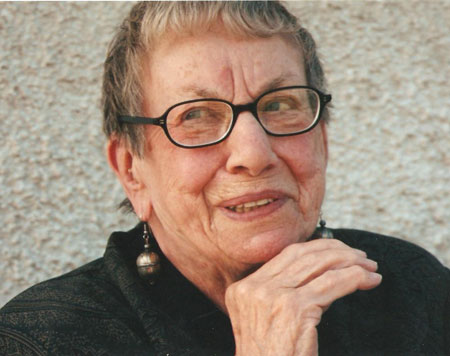
“An Intimate Examination of Sock Fluff” Part 9
The next excerpt from my PYI keynote in a series that started in December 2011… I would never write another poem if only I could show you in a few perfect lines what the touch of your fingers on my aging cheek means That’s “Poem for Sonia” from Hold the Rain in Your Hands: Poems…
Read More...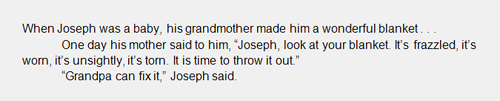
“An Intimate Examination of Sock Fluff” Part 8
The next excerpt from my PYI keynote in a series that started in December 2011… I hope everyone here knows how Grandpa took Joseph’s blanket and with his scissors and his needle turned Joseph’s worn out blanket into a wonderful . . . jacket. And how through the years it became a vest, a tie,…
Read More...
“An Intimate Examination of Sock Fluff” Part 7
The next excerpt from my PYI keynote in a series that started in December 2011… I feel like the ground in winter, Hard, cold, dark, dead, unyielding. Then hope pokes through me Like a crocus. This poem by Jean Little called simply “Surprise” expresses how I feel when a story isn’t working. “I feel like…
Read More...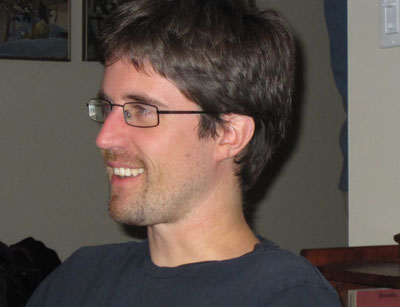
“An Intimate Examination of Sock Fluff” Part 6
The next excerpt from my PYI keynote in a series that started in December 2011… My son is in the bathroom shaving the water runs. I hear the scrape across his upper lip, the rinse, the tap three times on the side of the sink which makes me wonder if this is some primordial or…
Read More...
Happy Birthday to Me
Between now and my next post, I will turn 60. Turn can mean ‘curdle’ but it can also mean ‘twirl’. I’m choosing to believe I’ll be twirling into my next decade. I can’t pretend I’m 100% enthusiastic about my upcoming birthday, but – please pardon the cliché – it’s better than the alternative. And so…
Read More...
A Place for Group Creativity and Solitude
Groupthink: the brainstorming myth, an article in the New Yorker, got me thinking recently about my writing group and how we’ve benefited from occasionally inviting guest fellow writers to participate in discussions of our projects and to share their work for feedback. It also helped me understand better why the Seaside Writing Workshop/Retreat works so…
Read More...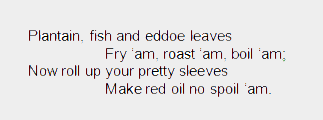
“An Intimate Examination of Sock Fluff” Part 3
If you’ve missed Parts 1 & 2 of the keynote I delivered at Packaging Your Imagination last fall, you might want to go back to my earlier posts and start reading it from the beginning. If you’re ready for Part 3, read on! That’s an as yet untitled poem by Watchen Johnson Babalola, a Liberian…
Read More...
“An Intimate Examination of Sock Fluff” Part 2
As promised during the first week of December – the second installment of my Packaging Your Imagination keynote . . . Matilda Martin and Edna Bauman, Mam and Lucinda and me – my first time quilting with the women. Noisy greetings as we settle in around the quilt frame, then silence as each begins. Only…
Read More...
A Writer's Scribbles
Ever wondered what’s in some of those little notebooks writers interrupt conversations, or suddenly sit up in bed, to scribble in? As the year draws to a close, I’m going to give you a peek at a sampling of my 2011 scribbles, with remarks added at the time of this posting in square brackets. 4/4/11…
Read More...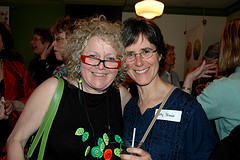
Do you get along well with your publishers?
Here I am with Margie Wolfe at a party in spring 2006. Her company, Second Story Press, published King of the Castle (for readers of all ages) and 101 Ways to Dance. Margie and I don’t always agree about everything, but we get along famously just the same. (Thanks to Naseem Hrab for permission to use…
Read More...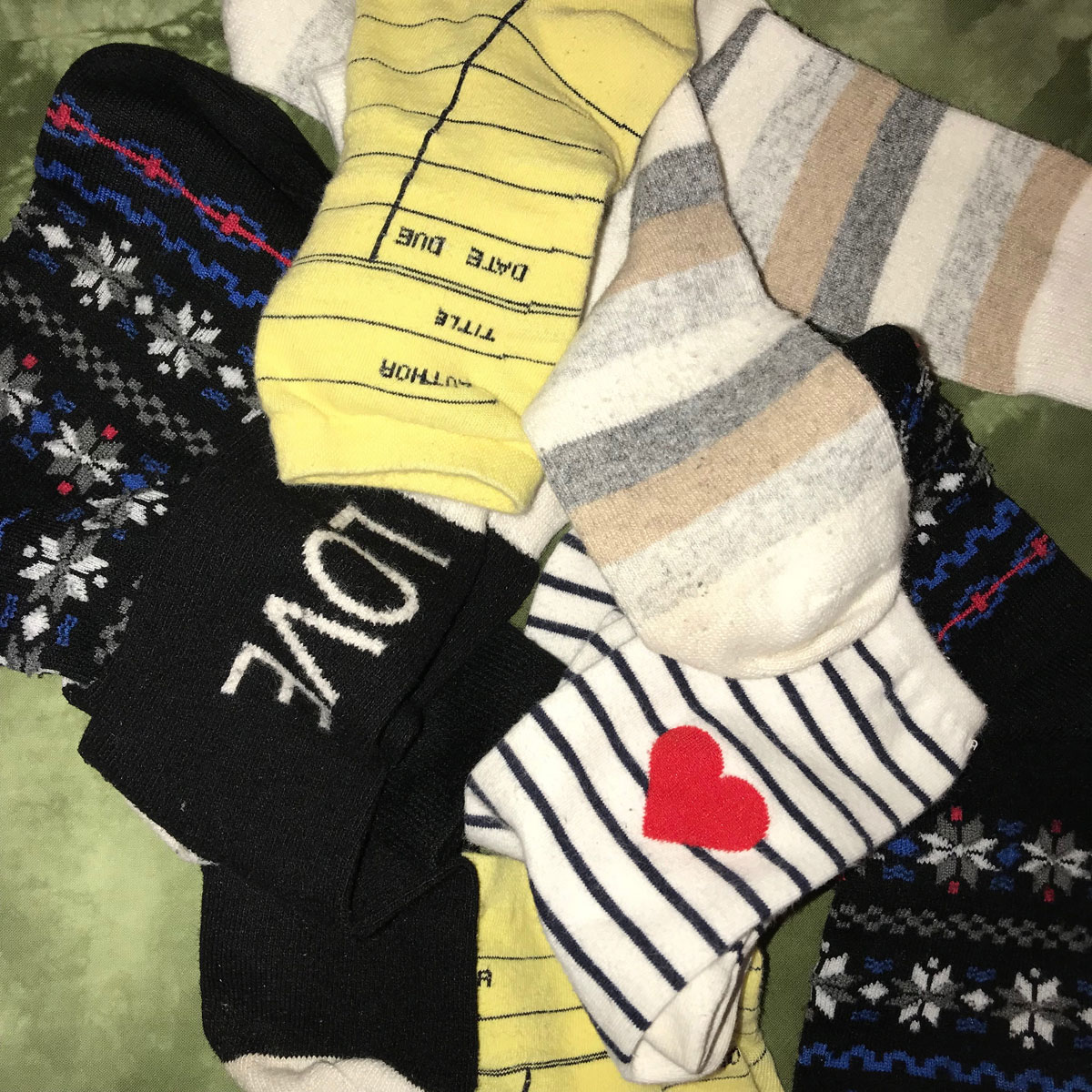
“An Intimate Examination of Sock Fluff” Part 1
“Spectacular!” “Inspiring!” Two words people used to describe my keynote speech at CANSCAIP’s Packaging Your Imagination conference last month. Pretty gratifying feedback! You missed it? Fear not! I’m going to post the whole speech here at “Turning the Pages.” “Sock Fluff” was my introduction to Loris Lesynski, back in the early 90s, before it was…
Read More...
Do you speak to teachers on their professional development days?
Yes, and it’s always a pleasure. (I was an elementary school teacher myself, before I was a writer.) I can discuss how to motivate students to write, how to excite them about reading, or I can conduct a mini-writing workshop, as a model for how teachers might like to work with their students, at any…
Read More...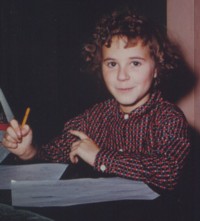
Did you like to write when you were a kid?
Not especially. I wrote stories in school, but not after school or on weekends, like some kids do. And I certainly didn’t think about being a writer when I grew up. But I did love to read, and I think that all the books I was reading over many years were turning me into a writer,…
Read More...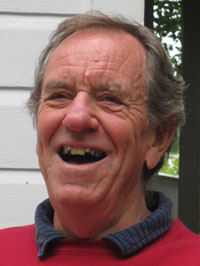
"So You Want to Write a Children’s Book"
To me, he’s my sweetie Petey, my life partner of 26 years. He’s the dad of my stepdaughters, the stepdad of my own kids, and Grampa to our grandkids. To the community of writers of books for young people in Canada, Peter Carver is a writing teacher extraordinaire, an astute and caring editor, a trusted…
Read More...Do you write full-time now, or do you have another job, too?
I do my best to write full-time, but I don’t earn enough money from book sales to make a full income, so I do other things – related to writing – to make up what I need. I work as an editor. I lead writing workshops for adults and for children. I speak at conferences.…
Read More...Can you help me get published?
I have no ins with any of the publishers I’ve worked with as a writer or as an editor, so beyond encouraging you to continue honing your craft (by writing lots and perhaps attending classes or workshops), there’s nothing else I can do to help you get published. However, there are lots of websites that offer…
Read More...
Endings & Beginnings
Last night, my husband, Peter Carver, marked the end of his 25-year career in teaching ‘Writing for Children’ by launching – at his retirement party – his first book, So You Want to Write a Children’s Book. Joining the students from across the years who gathered to honour him were: Peggy Needham, Peter’s much loved…
Read More...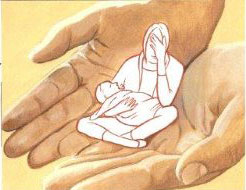
“Baby Love”
Every writer knows the old saw about ‘killing your darlings’ – deleting favourite phrases, sentences, characters, scenes, etc., from a work as it evolves. I often reassure writers I work with that out-takes from one project can sometimes be used in another project down the road. I hadn’t yet killed the ‘Hannah as a teen…
Read More...Is my ship sinking?
Sometimes I wonder if there’s a comparison between writers writing in the early 21st century and the passengers in The Poseidon Adventure. Some passengers on the sinking Poseidon insisted on staying put, believing that someone would come and save them. Others insisted on taking matters into their own hands on what they knew was a…
Read More...
What do you like writing better? Picture books or novels?
I love the spareness of a picture book, paring down sentences to their bare essentials. It’s a bit like writing poetry. But I also like being involved with characters for long enough to get to know them really well, the way I do when writing a novel, and I like trying convey them through words…
Read More...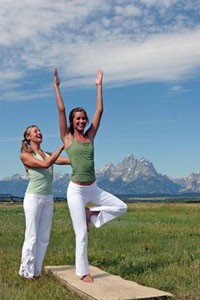
"Lead with your heart"
It’s still just once a week that I login at Yoga Today for an hour of yoga practice – usually on Monday morning, before I get back into my work and think I’m too busy to fit it in. But there’s one instruction that the women leading the online classes offer that stays with me…
Read More...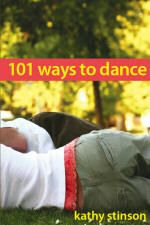
A National Poetry Month Guessing Game
April is National Poetry Month and as it happens, the book I’m reading at the CNIB right now is a novel written in poems, and so is the book I’ll be reading next. The stories in both are told from the points of view of different characters, so it’s been fun trying to match my…
Read More...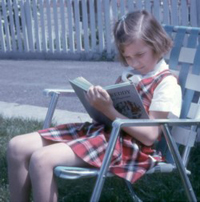
Why did you want to be a writer?
I’ve loved reading books for longer than I can remember. (That’s me in the picture, reading in my gramma’s backyard.) As an adult, I started to wonder if I would like writing them, too. I wondered if I could write something that people who didn’t know me would like reading. I was almost 30 when…
Read More...What's your favourite book that you've written?
Hm. With that question I feel a little as if you’re asking me to say which of my children or grandchildren is my favourite, and of course there are different things that I like about each of them. Books I haven’t yet begun to write are somehow always more perfect than all the others. Of course,…
Read More...Where do you get your ideas?
Ideas are everywhere and anyone can catch them if they practice watching and listening to what’s going on around them. Sometimes ideas come to me from my own experiences, sometimes from other people’s. Sometimes they come to me when I’m reading a book someone else has written, sometimes when I’m in the middle of writing…
Read More...The Joy of Cutting Words
The last thing that a poet learns is how to throw away, And how to make you thrill and creep with what he doesn’t say. — J.R. Lowell Every writer, including me, knows the thrill of seeing words accumulate on the page. But a morning cutting 1000 words from a project can be just as satisfying as…
Read More...
Writing Communities
At this month’s CANSCAIP meeting, a former participant at the Seaside Writing Workshop/Retreat that my partner and I offer in Nova Scotia each summer announced that we are now accepting applications for this years workshop/retreat. Since it involves living and working with five other participants (plus Peter and me), a lovely sense of community tends to…
Read More...Writing Tip – How to Not Engage a Reader
An ongoing problem with the novel I’m working on has been a tone that feels detached, almost reporter-like, which makes it hard for a reader to engage with what one of the point-of-view characters especially is feeling. Much as I enjoy the revision process, I sometimes shy away from dealing with global problems like tone and voice.…
Read More...
Writing Workshops
This winter I’ve been rediscovering the fun of working with people who are just beginning to explore their interest in writing for children. The night of the first class (which I’m teaching through the Con Ed department of the Upper Grand District School Board), I wondered how I’d do with the fact that it runs…
Read More...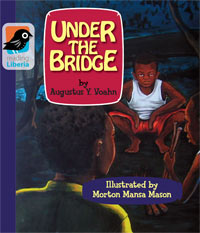
The First "Reading Liberia" Books
The first books for Liberian children by Liberian authors will soon be out. Imagine how exciting that will be for both the children who will hold those books that reflect their lives and for the writers and illustrators who created them! I first became involved in “Reading Liberia” two years ago, and I’m proud to…
Read More...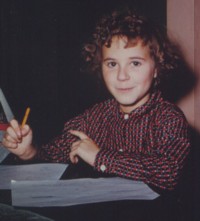
Tips for Writers
Vicki Grant gave an outstanding presentation at a recent CANSCAIP meeting. Unfortunately, I missed it, but because I am a CANSCAIP member, I was able to enjoy a distillation of her “10 Tips for Writing” and “10 Tips for Mystery Writers” through the minutes of the meeting (one of the great benefits of membership, wherever…
Read More...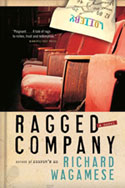
Multiple Viewpoint Novels
A writer-friend of mine has been thinking lately about the possibility of having multiple viewpoint characters in a novel she is working on. Since she’s been wondering what that might look like, I sent her a copy of Fish House Secrets which is told from two points of view, as a trade for her book…
Read More...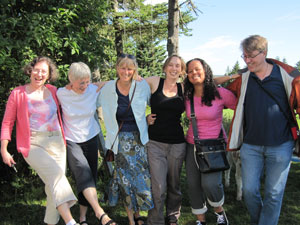
Writers by the Sea
They came and wrote – in the fish house, the old barn, the farmhouse, and on the beach. They wrote about kids who are lonely, who don’t fit in, kids curious, funny, or angry. They wrote all morning, and sometimes again in the afternoon or evening. When they weren’t writing, they were talking about writing,…
Read More...Wow, look how long my story is!
Regular visitors to my blog may find this advice from me familiar, but I hope they’ll forgive me recycling it so I can participate in a blogfest. (I am supposed to be on holiday this week, after all!) Watch for places in your manuscript where “less is more” – where fewer words would create a…
Read More...
Spring Gardens
When I’m not juggling writing, editing, and time with my family, one of my favourite pastimes at this time of year is gardening. Gardening is a lot like writing. How? When you make a change to solve one problem, it often creates a new problem to solve. You often have to yank out and discard…
Read More...How's the Novel Going?
Let’s just ignore the fact that I’ve been working on it since 2004 – granted with a few other projects sprinkled in there – and say that today I think draft #34 is going well! This winter I undertook a complete restructuring and delved deeper into what makes its main characters tick. I’ve eliminated an…
Read More...Editing Tips
1. Having trouble with a novel you’re working on? Or a picture book or short story? Try remembering what drew you to writing it in the first place. We often get so enchanted by our characters and new possibilities a story presents to us that we lose sight of why we wanted to write it.…
Read More...
Seaside Writing Retreat & Workshop
Sometimes, whether you’re a writer who appreciates a regular writing group or one who prefers going it alone, there are often points when working on a project, when you long for uninterrupted time to focus on it, or feel the need for fresh eyes to assess how it’s going. The workshop/retreat that Peter Carver and…
Read More...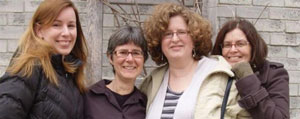
A Writing Group to Celebrate
Writing is a solitary occupation, and some writers like to keep it that way until it’s time to submit a manuscript to a publisher. Others, like me, prefer to meet regularly with a group of fellow writers – to get feedback on works-in-progress, to share in the trials and tribulations of the writing life, and…
Read More...Notes on a Work in Progress
When I’m working on a novel, I keep track of ideas and sort through my thoughts about them in a file I call Ideas & Thoughts. In case anyone thinks it gets easier when you’ve written several, here’s a note copied from my March 3 entry, two days after I’d started thinking about getting back…
Read More...Children's Literature Conference – March 5-6, 2010
“The Environmental Imagination and Children’s Literature” may be a strange name for a conference, but the names of its speakers are not. David Almond and Susan Cooper from the UK, M.T. Anderson from the US, and Sarah Ellis and Tim Wynne-Jones from Canada are the writers on the program. Other children’s literature experts will be…
Read More...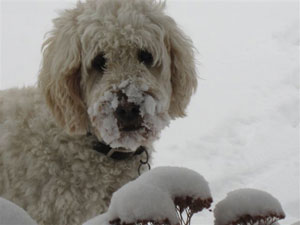
Liberia Lingers
I am well and truly home. I’ve celebrated my daughter’s birthday, visited with my son and his wife, had lunch with my sister and my dad, and settled back into daily routines with my husband and my dog. On the work front, I’ve sent a writer whose manuscript I’m editing comments to congratulate her on…
Read More...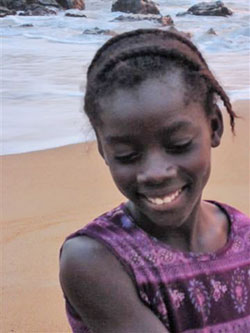
The People in my "Neighbourhood"
Home again from Liberia, I was contemplating what aspect of my week there I would blog about – what illustrators were learning and doing with Gord Pronk while I worked with writers? how a group decides which “personal heroes” qualify for inclusion in a Liberian anthology? the fun we had with an oral “dialogue” exercise?…
Read More...Heroes in Liberia
Well, it’s WAY past my usual bedtime for a week night. I’ve been lost in the pages of personal essays written by Liberian writers about people who have been important to them, people who have inspired them in some way. Each day I am here in Liberia, I learn more about the remarkable people I…
Read More...Back in Liberia
I’m sitting on the fourth floor balcony of the Cape Hotel in Monrovia in shorts and t-shirt listening to a mixture of surf and hotel generators, and the occasional honking of a motorcycle horn. It’s just after nine o’clock at night. African music has been added to the surf/generator mix as I type this. Who…
Read More...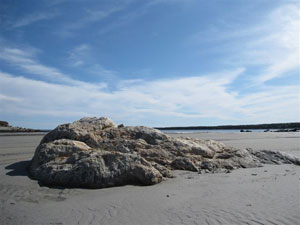
Does Your Writing Life Need A Boost?
Peter Carver and I are now accepting applications to our week-long, seaside writing workshop/retreat, taking place in August this year, on the south shore of Nova Scotia. If giving a writing project of yours the time it deserves is one of your resolutions for the new year, why not consider submitting an application. You can find more…
Read More...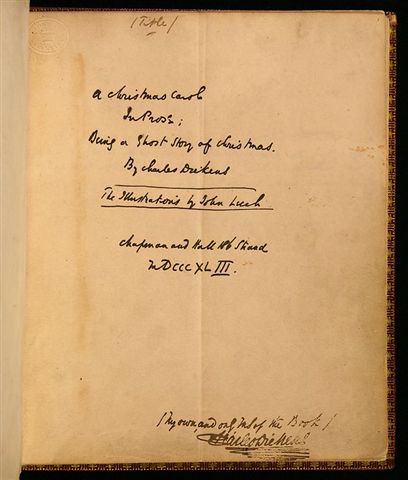
One Dickens of a Messy Manuscript
Did you know that Charles Dickens wrote A Christmas Carol in just six weeks because he was in desperate need of some cash? Or that the manuscript he submitted to his publisher was a sloppy mess? Whether you’re heartily embracing “the festive season” or you’re grumbling humbug and trying to avoid the whole scene, be…
Read More...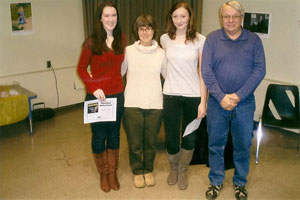
Talented Young Writers
A bug has been spreading through the community of Guelph’s teens this year. I’m not referring to H1N1 but to the Writing Bug. There were three times as many submissions to GPL’s 2009 teen writing contest as there were in 2008. This year was the second year I had the pleasure of judging stories for…
Read More...Cormac McCarthy’s Typewriter
A recent article in the New York Times informs readers that Cormac McCarthy’s typewriter is about to be auctioned off. It’s expected to go for between $15,000 and $20,000. That’s a lot of money for a typewriter that has, according to McCarthy, “never been serviced or cleaned other than blowing out the dust with a…
Read More...Coffee Shop Author
Could I write a book in a coffee shop? I’ve always thought of myself as a writer who needs a quiet room, free of distraction. I have trouble resisting the sound of human voices. So how could I possibly write anything more challenging than a shopping list in a coffee shop? Why would I even…
Read More...A New Year's Approach to Email
It felt great to be back in my novel-in-progress this past week and I’m really pleased with the progress I made. I started on Monday with 103 notes to myself [embedded like this in the manuscript] and I dealt with enough of them by Friday that I now have only 20 left – and that’s with having added…
Read More...Six Word Memoir
My sister Janet, tagged me with the following challenge: Write a six-word memoir. Post it to your blog including a visual illustration if you would like. Link to the person who tagged you in your post and to this original post if possible so we can track it as it travels across the blogosphere. Tag…
Read More...Progress?
I just finished a marathon, a marathon of reading — through 220 pages of notes, single-spaced, on my current novel project. They date back as far as February 2001! Lots of despair in there. One note says: I hate having a vision in my mind’s eye of what this novel should be, but feeling with…
Read More...What is it about me and titles?
Some months ago the subtitle on my biography manuscript had to be changed (and essentially, therefore, the whole title). Someone else had beat me to The Art of the Possible for their handbook about political activism. One of the working titles attached to my young adult novel-in-progress this year was Fault Lines. And didn’t Nancy…
Read More...A Busy June
Did you think I’d given up blogging after just two entries? No way! But it has been a busy six weeks, quite apart from all that’s happened in my garden. The novel has now been submitted (and I can soon go to the cottage and forget I’m waiting for a response to it). I’ve also…
Read More...Stop the presses!
The result of a conversation with the expert I consulted to check my novel manuscript for any errors in legal procedure and language means a far more significant revision than I was anticipating before it will be ready to show a publisher. I could view it as a major setback, but I can’t help feeling…
Read More...