
Subscribe Now!
When A Pet Dies
Soon after learning my dog was seriously ill and unlikely to recover, I had a dream. Georgia and I were walking. She was on a leash that kept getting longer as the weave of its nylon fabric unravelled, until it was hanging between us by only a thread. I woke up before the last remaining…
Read More...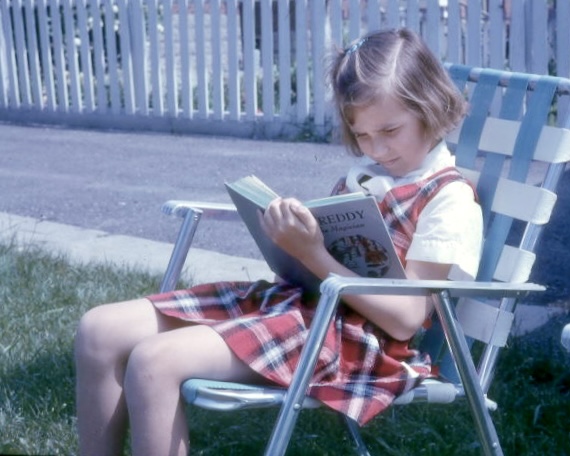
Best Books of 2023
Book lists abound at this time of year. One of my favourites is Goodreads’ “Your 2023 Year in Books.” The list comes as a display of covers that reminds you visually of some of the titles you rated highest. This photo shows me one summer day early in my reading life. These are some of…
Read More...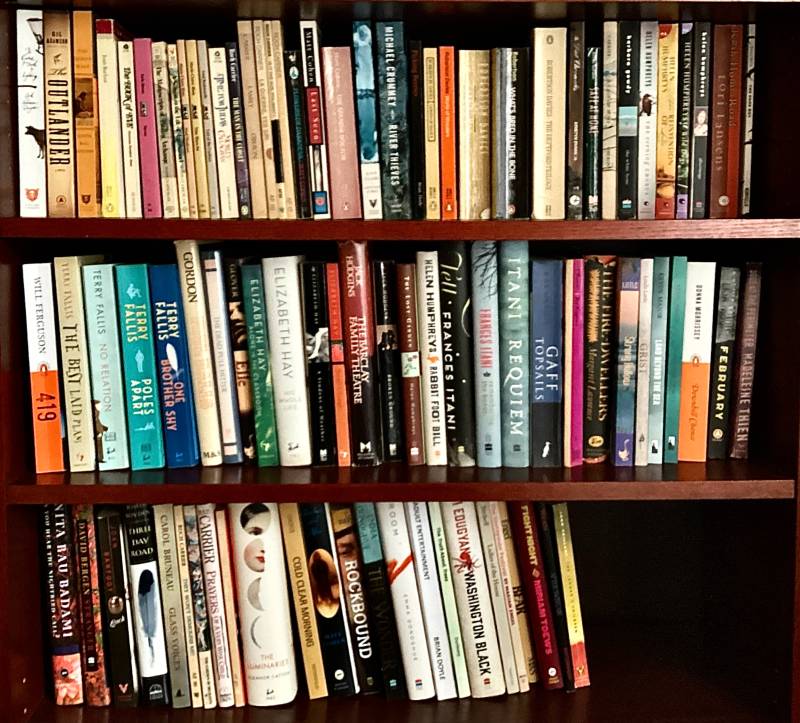
“I Read Canadian” 2022
For this year’s “I Read Canadian” Day (that’s today), I decided to list books by Canadian authors I’ve read in the past year. And — to adopt a phrase used by the cheesiest of stories online — you won’t believe what I discovered! More than half of the 100 books I read were Canadian! Here are some favourites: Canadian Fiction Butter…
Read More...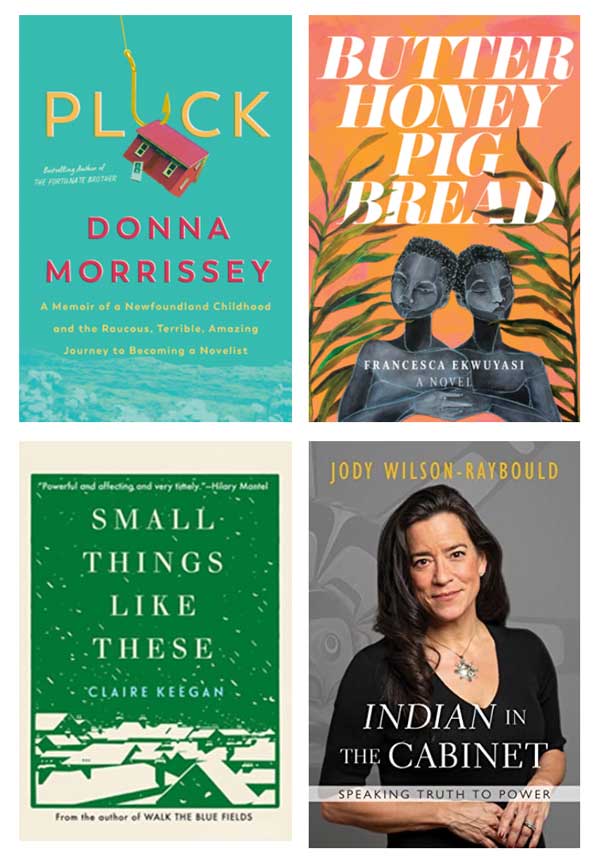
More Books About Women
This International Women’s Day post picks up from last month’s post left off, and offers my reaction to a few books by women—fiction and non-fiction—that I’ve rated highly on goodreads so far this year. Pluck: A Memoir of a Newfoundland Childhood and the Raucous, Amazing Journey to Becoming a Novelist by Donna Morrissey As a longtime…
Read More...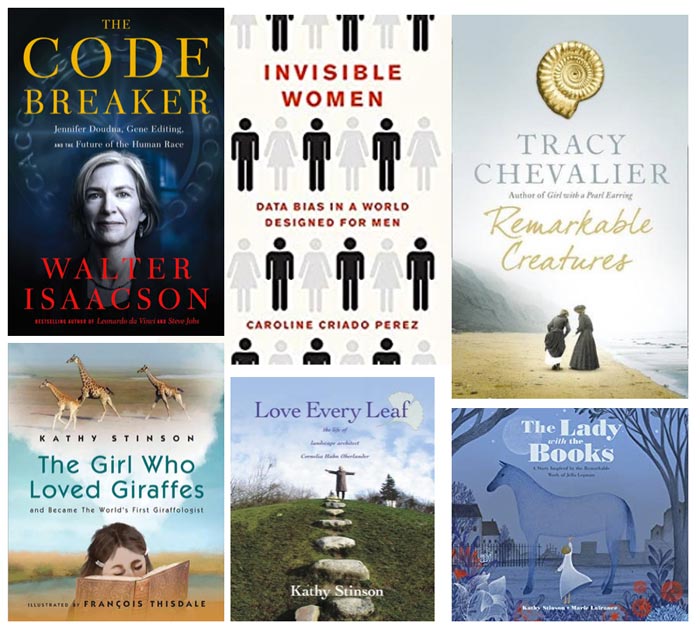
Books About Women
When I delivered the 33rd Helen Stubbs Memorial Lecture in the fall of 2021, one of my themes was women. I started it with a reading from Saturday Walk, a book I’d read as a child, back in the 1950s. It’s about a young boy walking with his dad observing all the men at work…
Read More...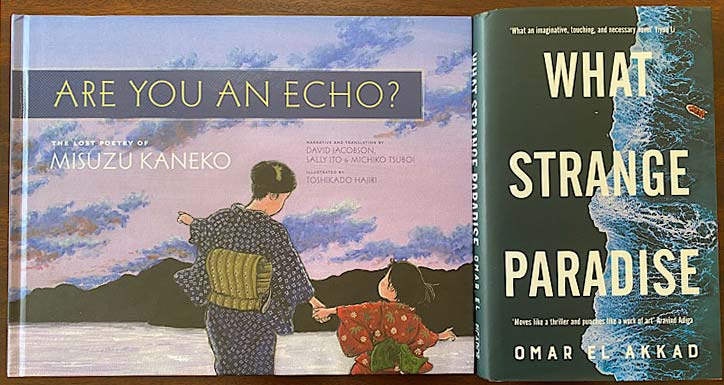
Pandemic Connections
What do these books have in common? 1. Both were signed to me personally and mailed to me from the US by their authors. 2. I value both books highly, and even moreso the connections I’ve made with their authors, whom I have never met. This would not be the case, were it not for…
Read More...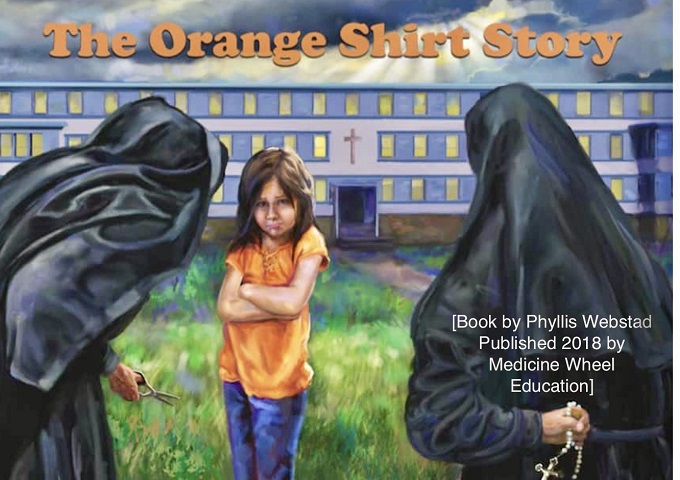
Beyond Orange Shirt Day
Like many Canadians, I’m horrified and saddened by stories that continue to come out about the mistreatment, past and present day, of Indigenous people in this country. So I’m pleased to know that starting tomorrow, we will be honouring the lost children and survivors of residential schools, their families, and communities with a National Day…
Read More...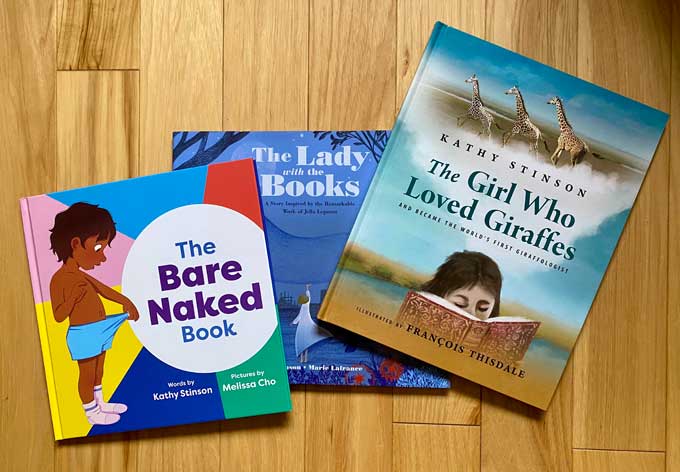
Summer Reading
Whether you’re spending your summer close to home or venturing farther afield, I hope you’re enjoying the luxury of some summer reading time. Whether on a beach or an apartment balcony, in a hammock or a tent, there’s something special about the longer, warmer days that says “Relax. Let yourself sink into one of those…
Read More...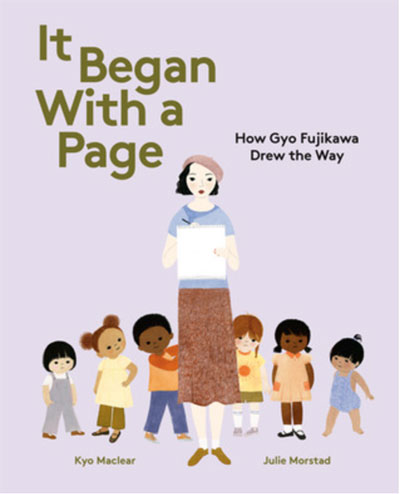
Picture Books about Remarkable Women
My local librarian recently urged a new book upon me: It Began With a Page: How Gyo Fujikawa Drew the Way, written by Kyo Maclear and illustrated by Julie Morestad. Gyo’s name rang a bell. I couldn’t think why. Soon I recognized her as the creator of books my children and I enjoyed together, forty-some…
Read More...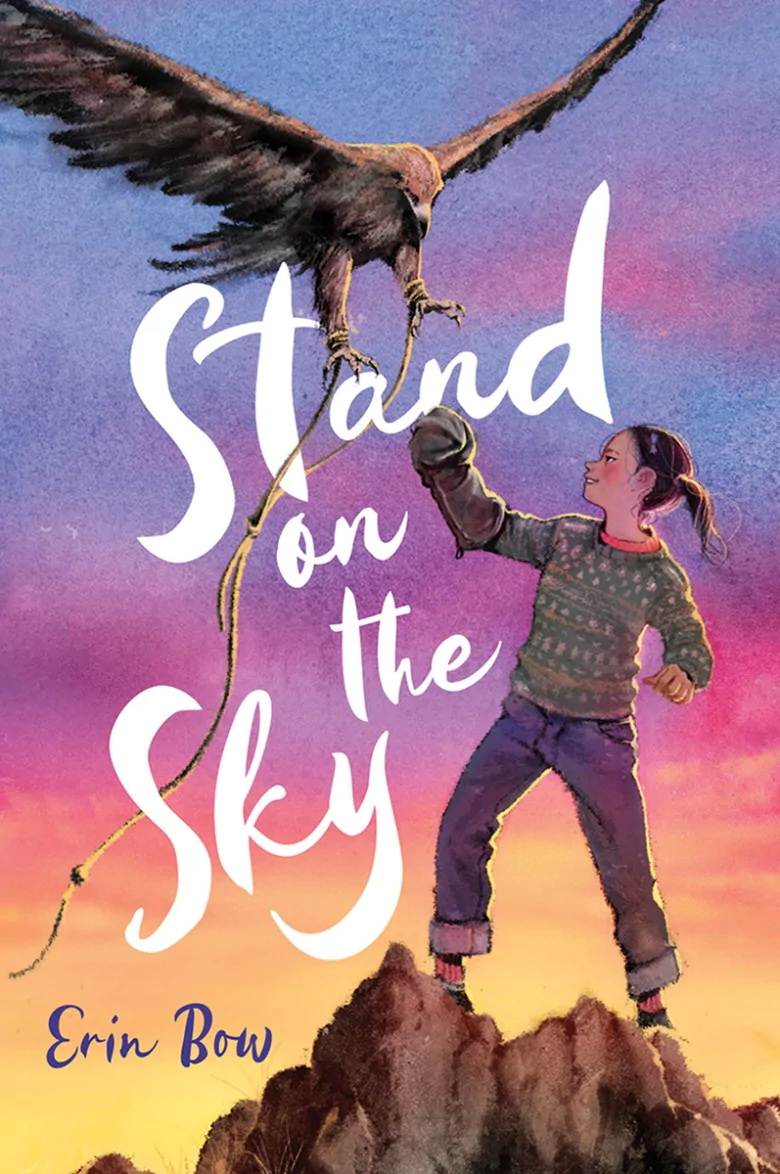
Reading 2019 GG Books
Of this year’s 35 nominations for Governor General’s Literary Awards, I have so far read three – all of them, coincidentally, connected to my work at CNIB. Late Breaking by K.D. Miller – Fiction K.D. Miller was on staff in the CNIB Recording Studio during most of my almost sixteen years there. Alex Colville paintings served…
Read More...
Summer Reading, Reading Aloud
I love to read aloud. It’s one of the reasons I’ve been a volunteer at the CNIB for 15 years now. I’ve recently completed narrating my 50th book there (Beholden by Lesley Crewe). It’s called narrating because it’s not always a matter of simply reading the words on the page, clearly and accurately with no extraneous…
Read More...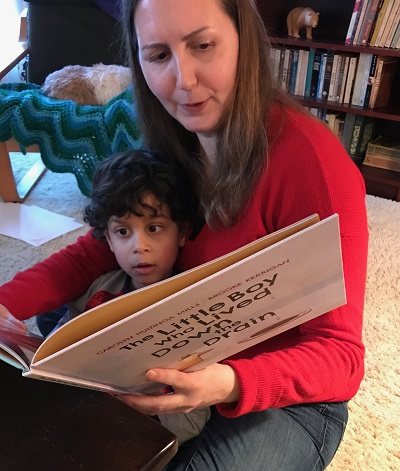
My 23 Favourite Books in 2018
Neil Gaiman says, “Picking five favorite books is like picking the five body parts you’d most like not to lose.” I agree. I can’t even decide on my favourite five from the books I’ve read just this year. I can pick one favourite non-fiction book, in part because I read less non-fiction than fiction, and…
Read More...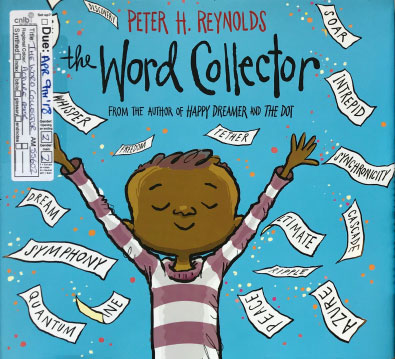
A Book Recommendation for Kids AND Writers
When I told friend and fellow writer Jean Little I was thinking of auditioning to read for the CNIB, she said, “Well, they don’t take just anybody you know.” It’s true! But they took me. This month I read Book #45 on my list of those I’ve narrated since passing my audition in 2004. Narrating The Word…
Read More...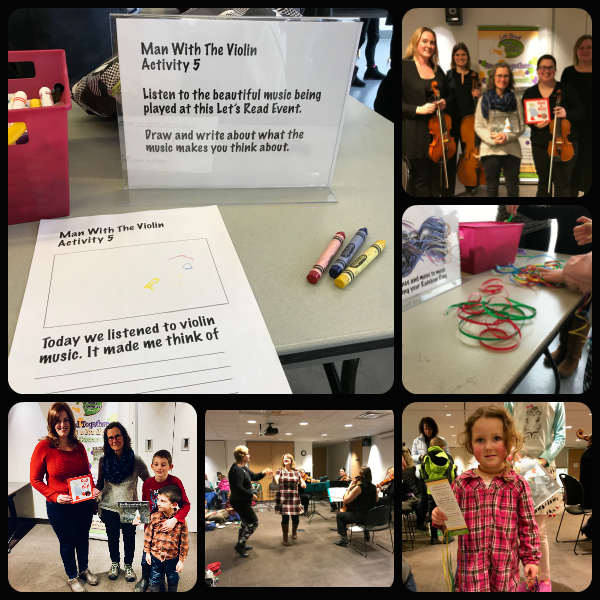
“Let’s Read!”
My thanks to the Family Literacy Committee of Brant for choosing The Man with the Violin as the book they would plan events around to encourage family reading this year — and for purchasing 700 copies to support their efforts! Everyone’s enjoyment of the “Let’s Read” events in Paris and Brantford this weekend was greatly…
Read More...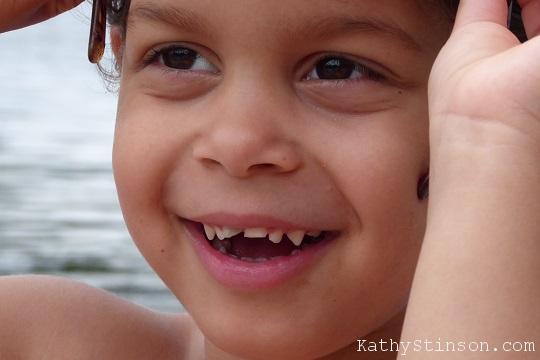
September Weekends
Labour Day weekend on the south shore of Nova Scotia included happy hours with family and then with beloved writer-friend, Budge Wilson. My first weekend home after a long summer away, I made seeing family here a priority: son, daughter, sister, dad, and attachments where applicable (including this lovely boy I hadn’t seen since July). …
Read More...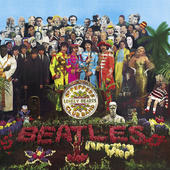
“When I’m Sixty Four”
Did you know that Paul McCartney was 16 years old when he and John Lennon wrote “When I’m Sixty Four”? Paul and Ringo are the only two Beatles who lived to see 64. John was murdered at 40 and George died from lung cancer at 58. When the song was released in 1967, I was…
Read More...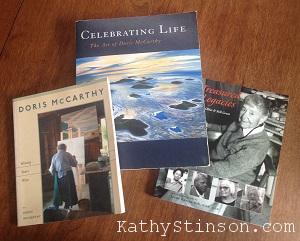
Reading & Writing at Fool’s Paradise
Writing for more hours of my days at Fool’s Paradise than I imagined possible left little time for reading and for those intense four weeks I had little interest in any fiction beyond my own. I did, however read three books: Doris McCarthy: Ninety Years Wise by Doris McCarthy Celebrating Life: The Art of Doris…
Read More...
Reading Aloud
I love reading aloud to any willing audience. This week is giving me lots of chances to do so. Reading Christmas-y excerpts from Brian Doyle’s Angel Square to my Book Group. Reading Draft #5 of a story-in-progress for feedback from one of my writing groups (I’m lucky to have two). I’ll be reading that draft…
Read More...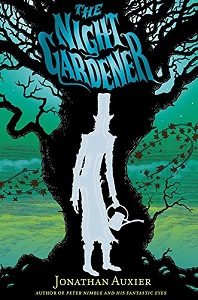
Celebrating Excellence in Canadian Children’s Literature
Facebook reminded me recently that one year ago The Man with the Violin won a TD Children’s Literature Award — as if I will ever forget such a fantastic season of celebrations! Tonight I’ll be attending the Awards ceremony again, eager to hear which books will be this year’s winners, and happy to celebrate all the books’ writers, illustrators,…
Read More...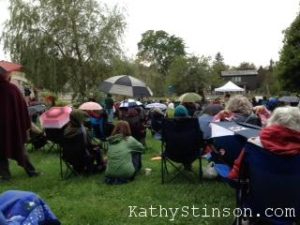
Summer Reading, Fall Reading…
Wiggling slowly back into a regular work routine, as temperatures fall (especially over the Eden Mills Writers’ Festival weekend!) and as leaves begin showing their fall colours in my part of the country, I’m pausing here to recommend two very different books I gave 5-star reviews to this summer. A way of trying to hold…
Read More...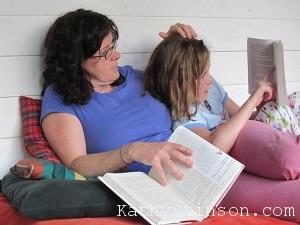
Book Groups & Summer Reading
The last Monday of the month for some years now I’ve been meeting with a group of women to discuss books. My idea for this post was to write about this group, as we’re soon to take a break and embark on the season of summer reading, perhaps mention a book or two we’ve read…
Read More...
National Volunteer Week
Next week is National Volunteer Week — originally designated in 1943 to recognize “the vital contribution women made to the war effort on the home front”. Studies indicate that volunteers generally like to be thanked but I suspect that what matters most to many volunteers (like me) is the satisfaction of knowing one is making…
Read More...
A Celebration of Poetry
Poetry is not a big part of my reading life, but that’s not to say it hasn’t been important – as evidenced in “An Intimate Examination of Sock Fluff”, a keynote I delivered at a conference a few years ago. In 2015 Brick Books celebrates 40 years of publishing poetry in Canada with what promises…
Read More...
Best Books of the Year
One of things I like about December is perusing various lists of the “best books of the year” to see how many I’ve read and which ones I’d like to read. Here are my “best books” of the year. Unlike most lists, these are books I read this year, not necessarily published this year. (And…
Read More...
A House with No Windows, No Mirrors
Imagine living in a house that had no windows and no mirrors. That’s what a house without books would be like. Books open windows onto worlds unlike our own and thereby create empathy for those living lives different from what we know. And by reflecting back to us our own experience of the world, books validate…
Read More...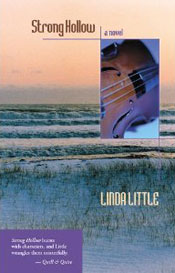
Another Man with Another Violin
If The Man with the Violin has whet your appetite for another story about a man and a violin — and even if it hasn’t — I have to recommend Strong Hollow by Linda Little. Strong Hollow shows how music comes to be a vital part of a young man’s life, even though (unlike Joshua…
Read More...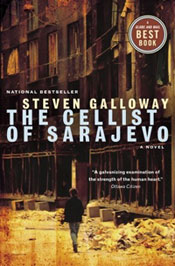
One Book, Two Books
Torontonians have been reading and discussing The Cellist of Sarajevo this month as part of TPL’s “One Book” program. The novel is set during the siege of Sarajevo when a cellist chose to play his cello in the street to mourn the deaths of 22 citizens shot while lining up to buy bread. It is,…
Read More...
Kids Lit Quiz
My granddaughter will soon be celebrating her twelfth birthday. She’ll receive as a gift a copy of Alice in Wonderland printed in 1866 that has been passed down through her family for generations. Can a 12-year-old appreciate what an amazing gift this is? This one will. Claire comes from a long line of book lovers…
Read More...
Writers’ Blogs I Like Reading
Sometimes after a lengthy interruption to one’s writing life, it’s hard to get back in the groove. Whether time away from a project is for holiday celebrations, vacation, tending to the needs of family or friends, or for work that’s sure to put bread on the table next month, there’s an inevitable break in any…
Read More...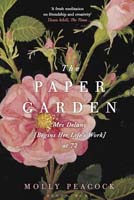
Review of The Paper Garden by Molly Peacock
The Paper Garden: Mrs. Delany Begins Her Life’s Work at 72 by Molly Peacock is a beautiful book. Of course it’s beautifully written. The story of this 18th century botanical collage artist is by poet Molly Peacock, who draws fascinating parallels, along the way, between her own life and that of Mary Granville Pendarves Delany.…
Read More...
“An Intimate Examination of Sock Fluff” Part 13
The next excerpt from my PYI keynote in a series that started in December 2011… Here’s one more bit of ‘sock fluff’, from my youth. Feel free to join me if you know it. Don’t you just love the rhythm, the language, the passion, and the innuendo in Part 1 of “The Highwayman” by Alfred…
Read More...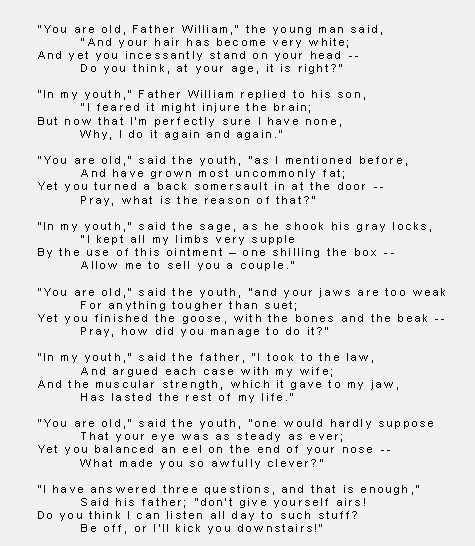
“An Intimate Examination of Sock Fluff” Part 12
The next excerpt from my PYI keynote in a series that started in December 2011… All the bits of sock fluff I’ve inspected so far have come from socks worn in the second half of my life. I’m now going to pull out a few bits of fluff from the first half of my life.…
Read More...
Review of OS X Mountain Lion Pocket Guide by Chris Seibold; O’Reilly Media
Whether you’re a new Mac user or have just upgraded from an earlier Mac operating system, you’re sure to find lots of useful tips in this guide to using Mountain Lion. But don’t be fooled. This “pocket guide” weighs in at a hefty 266 pages. Most of the new features of Mountain Lion make it…
Read More...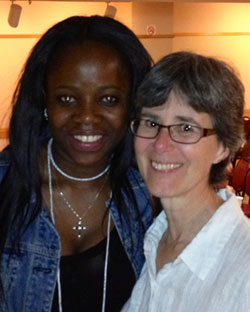
Golden Moments at the Golden Oaks Awards
Hackmatack and Silver Birch events this spring were fun. It’s gratifying to see hundreds of kids excited about reading. But the event surrounding the awarding of this year’s Golden Oak was downright inspiring. What makes the Golden Oak different from other “tree” awards is that the readers who vote to determine the winning book are…
Read More...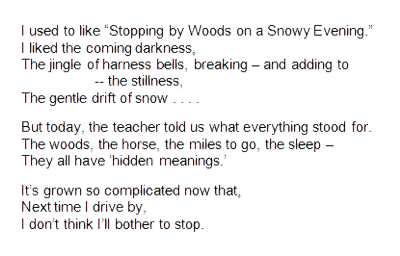
“An Intimate Examination of Sock Fluff” Part 5
The next excerpt from my PYI keynote in a series that started in December 2011… That was “After English Class” from Hey World, Here I Am! by Jean Little. In 1987, I had the welcome opportunity to travel with Jean in England, when the Canadian Children’s Book Centre organized an exchange of Canadian and British…
Read More...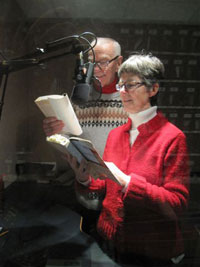
“An Intimate Examination of Sock Fluff” Part 4
The next excerpt from my PYI keynote in a series that started in December 2011… Up on Ipswich Road a girl my age, not a servant, boards with Doctor Griggs. Uncle Ingersoll says the girl’s so quiet you can hear snowflakes falling ‘pon her cheek. “Elizabeth,” I call when I pass her on the road…
Read More...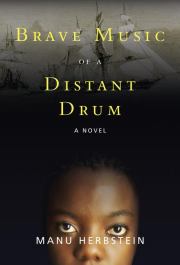
Good News from Africa
Laptops for Liberia have begun to trickle in. More are needed. Please help spread the word anywhere that a laptop of use to a writer in Liberia might be found. And don’t forget to email me if you have a laptop you’re finished using and would like to donate. Liberian illustrators are now bringing to…
Read More...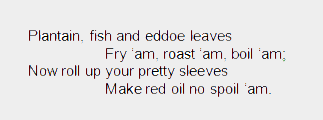
“An Intimate Examination of Sock Fluff” Part 3
If you’ve missed Parts 1 & 2 of the keynote I delivered at Packaging Your Imagination last fall, you might want to go back to my earlier posts and start reading it from the beginning. If you’re ready for Part 3, read on! That’s an as yet untitled poem by Watchen Johnson Babalola, a Liberian…
Read More...
“An Intimate Examination of Sock Fluff” Part 2
As promised during the first week of December – the second installment of my Packaging Your Imagination keynote . . . Matilda Martin and Edna Bauman, Mam and Lucinda and me – my first time quilting with the women. Noisy greetings as we settle in around the quilt frame, then silence as each begins. Only…
Read More...
A Writer's Scribbles
Ever wondered what’s in some of those little notebooks writers interrupt conversations, or suddenly sit up in bed, to scribble in? As the year draws to a close, I’m going to give you a peek at a sampling of my 2011 scribbles, with remarks added at the time of this posting in square brackets. 4/4/11…
Read More...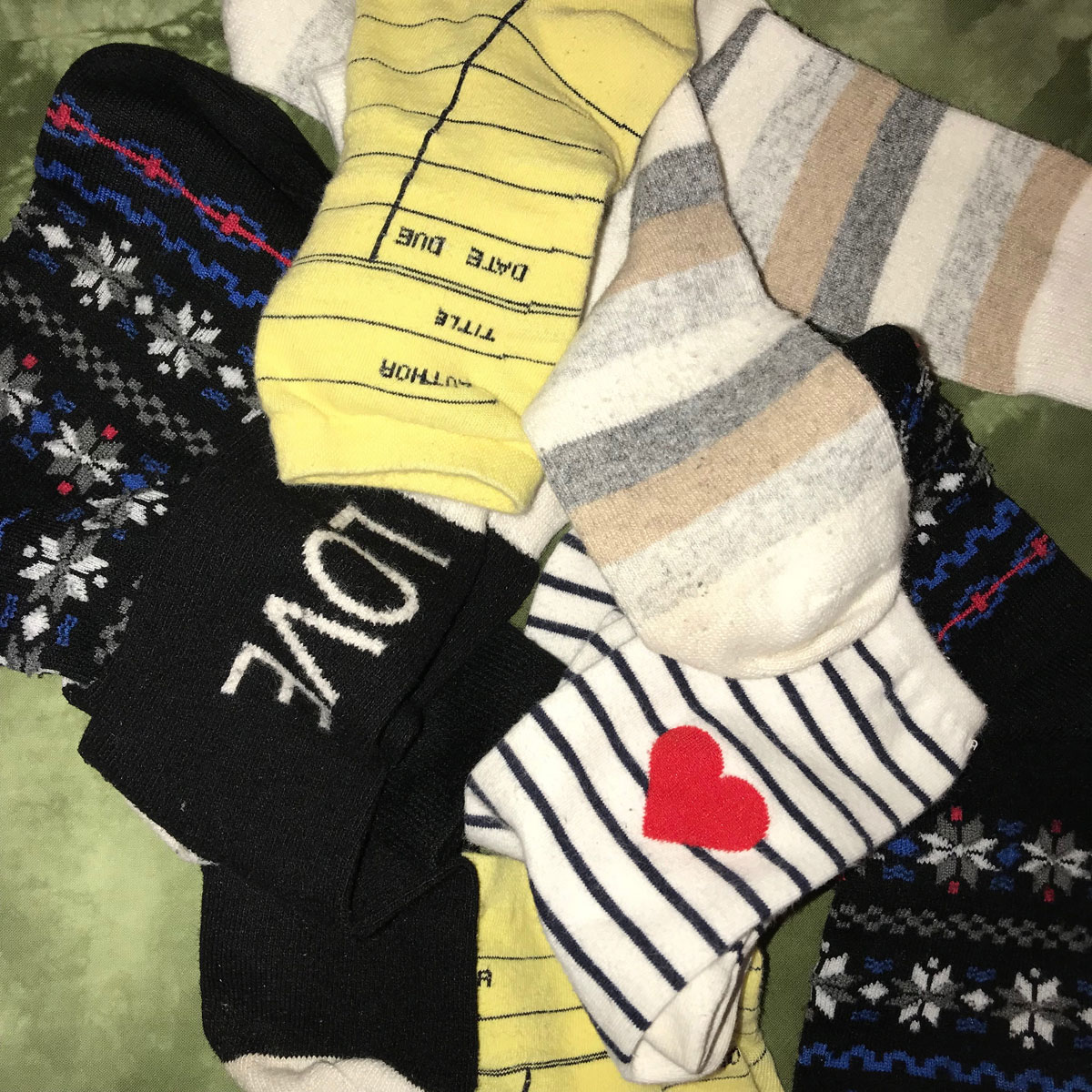
“An Intimate Examination of Sock Fluff” Part 1
“Spectacular!” “Inspiring!” Two words people used to describe my keynote speech at CANSCAIP’s Packaging Your Imagination conference last month. Pretty gratifying feedback! You missed it? Fear not! I’m going to post the whole speech here at “Turning the Pages.” “Sock Fluff” was my introduction to Loris Lesynski, back in the early 90s, before it was…
Read More...
Do you ever visit book clubs?
I haven’t done it often, but within a reasonable distance from my home in Rockwood (which is near Guelph) Ontario, I do. So far I’ve only met with adult book clubs, but I think it would be fun to meet with mother-daughter, mother-son, father-daughter, father-son groups too. Depending on who your book club members are,…
Read More...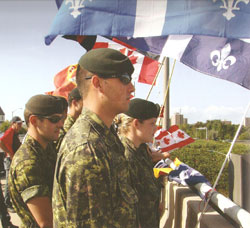
Three Trees for Highway of Heroes
All across Canada, each school year, thousands of students read books that appear on “tree award” lists and, come spring, vote on their favourites. I’ve been lucky enough to have had several of my books nominated over the years: King of the Castle (Silver Birch) One Year Commencing (Red Cedar) Marie-Claire: Dark Spring (Diamond Willow)…
Read More...Book Lovers Day
What better excuse than Book Lovers Day – the first Saturday in November – to plug a few of the great books I’ve read since August 9, also Book Lovers Day according to some calendars. (If you’re like me, pretty much any date is a good one for setting aside to curl up and do…
Read More...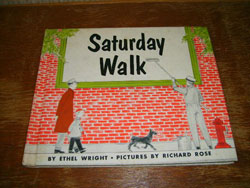
Ontario Library Week
Can you remember the first book you borrowed from a public library? Mine was Saturday Walk by Ethel Wright. I borrowed it on a library card that was green and bigger than my current library card. Why would I remember that!? The book or the size and colour of my card?! Because it was a…
Read More...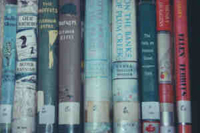
What kind of books did you like to read when you were growing up?
Stories about families, about real people, or at least people that felt real to me reading about them. I loved: the books about Beezus and Henry and Ramona by Beverly Cleary (those that had been written when I was young. I caught up with more Ramona books when my kids were young) the Little House…
Read More...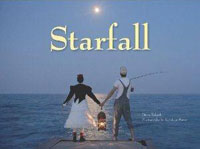
A Star for Starfall
I’m doing as much editing as writing these days. One of the projects I’ve been working on as editor is a picture book collaboration between two newcomers to the world of children’s books, Diana Kolpak and Kathleen Finlay. Pretty satisfying to see a starred review (from galleys) for Starfall in the September issue of Q&Q!…
Read More...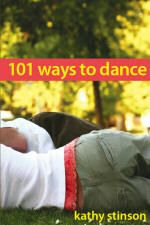
A National Poetry Month Guessing Game
April is National Poetry Month and as it happens, the book I’m reading at the CNIB right now is a novel written in poems, and so is the book I’ll be reading next. The stories in both are told from the points of view of different characters, so it’s been fun trying to match my…
Read More...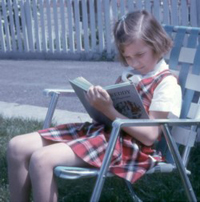
Why did you want to be a writer?
I’ve loved reading books for longer than I can remember. (That’s me in the picture, reading in my gramma’s backyard.) As an adult, I started to wonder if I would like writing them, too. I wondered if I could write something that people who didn’t know me would like reading. I was almost 30 when…
Read More...
A Volunteer-Reader’s Anniversary
Seven years ago this week, I began volunteering at the CNIB Recording Studio in Toronto – reading books and teching for others who are reading. In addition to magazine articles and chunks of various textbooks, (and the foreword to a book being read by a male narrator), I have read a wide range of books – for kids,…
Read More...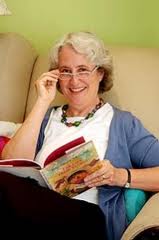
A Well Earned Honour for an Outstanding Canadian
Patsy Aldana has been appointed a Member of the Order of Canada, recognizing “her contributions to children’s publishing in Canada and around the world.” Perhaps best known as publisher of Groundwood Books (which she founded in 1978), Patsy Aldana has also served as president of IBBY International, played leadership roles in publishing associations and school library coalitions,…
Read More...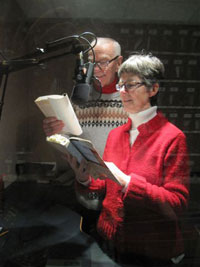
Reading at the CNIB
For close to seven years now, following a successful audition, I have been a volunteer reader at the CNIB. Pictured with me in the booth at the Recording Studio in Toronto is Alex MacDonald, who has been reading for roughly twice as long. Ordinarily during a recording session, there is one narrator, seated, reading a book aloud inside…
Read More...Revisiting PIRDY a Year Later
During the last week of 2009, I devised a plan to help me give more time to activities I enjoy, but never seem to find enough time for. I called it The PIRDY Plan (P for Photography, I for Internet, R for Reading, D for Drawing, Y for Yoga. And I was in the plan…
Read More...
Book Exchanges
Books often pass through the hands of many readers. This year I read Push by Sapphire. I enjoyed it (in the way one can enjoy a terribly sad story), but not enough to keep it. I gave it to my sister. When she was finished with it, she left it on the “Give & Take” bookshelf…
Read More...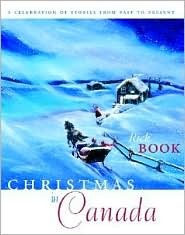
When Our Book Club Meets in December
When my book group gathers in December, we break from our usual practice of discussing a book we’ve all read. One year I read aloud to the group a story from Rick Book’s Christmas in Canada. Another year we all brought a short Christmas story or poem that we liked. Last year we laughed along…
Read More...Remembrance Day
I’ll be in Ottawa on Remembrance Day presenting Highway of Heroes at the Canadian War Museum, after a brief appearance on “A” Morning Ottawa. Meanwhile, in Springhill, Nova Scotia, a student will be reading Highway of Heroes to a school assembly. Around the gymnasium will be “Bridge Ceremony” banners made by the students. O Canada…
Read More...
An Ancient Child by Lynn Davies
Posted here with the poet’s permission: An Ancient Child The doctor’s waiting room, the quiet flip of magazine pages. My daughter’s right lung still crackling, and I wish for recovery and punctual doctors. Looking at the floral patterns of china I’ll never buy, when suddenly my daughter laughs, holds up for me to see spread…
Read More...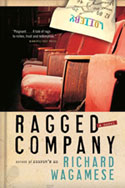
Multiple Viewpoint Novels
A writer-friend of mine has been thinking lately about the possibility of having multiple viewpoint characters in a novel she is working on. Since she’s been wondering what that might look like, I sent her a copy of Fish House Secrets which is told from two points of view, as a trade for her book…
Read More...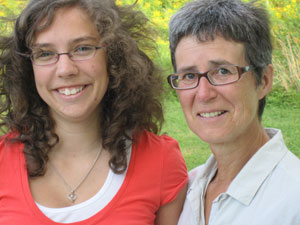
Meeting a Reader and Writer
Joanna Perkin first wrote me in 2003 to tell me she’d enjoyed reading the first two Marie-Claire books. I wrote her back, she wrote me back, and so on. We kept up a correspondence – about books we’d read and about writing stories, because like me Joanna is both a reader and a writer –…
Read More...
What I Read on My Summer Vacation
The Present Tense of Prinny Murphy by Jill MacLean A great companion book to The Nine Lives of Travis Keating. And I hear there’s to be a third book about this community of kids living in a Newfoundland outport. Can’t wait. The Sweetness at the Bottom of the Pie by Alan Bradley I don’t read…
Read More...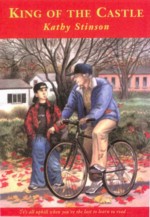
International Literacy Day
I thought it would be appropriate to end my summer reading series of blog posts on International Literacy Day with an excerpt from my novel, King of the Castle – inspired by Elijah Allen, a school caretaker who learned to read when he was a grandfather, and then went on to urge youngsters in Canada’s…
Read More...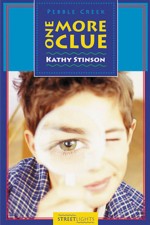
Summer Reading Excerpt #8
Summer storms can be fun, but not when you’re alone in a graveyard at night – like Matt is in One More Clue, the last in a 3-book series of summer adventures for young readers. … Just then a flash of lightning lit the sky. On the wind rode another rumble of thunder. If Matt…
Read More...A Potent Argument for Reading Aloud
Do you read out loud to your kids? Do you read out loud to your friends? Here’s a very short excerpt of a book I’m reading – Frankie & Stankie by Barbara Trapido. Not one of the books quite throws at Dinah, as Pride and Prejudice does, how dialogue can lift and dance on points, how sentences…
Read More...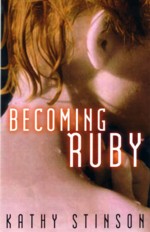
Summer Reading Excerpt #7
Is there anything more wonderful when you’re a fifteen year old girl, than dancing through a summer evening with a boy you really like – except when he walks you back to your cottage after? Walking back to the cottage, Daniel keeps his arm around me all the way, and we talk some more and…
Read More...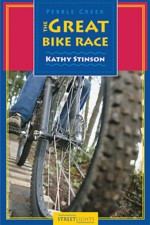
Summer Reading Excerpt #6
In The Great Bike Race, the second in a 3-book series of summer adventures… … “Hey, Matt!” Lennox laid some rubber in front of the ice cream store. “Look at this new baseball I just got.” He thrust it into Matt’s hand. “Wanna go try it out?” Matt crammed the last of his cone into…
Read More...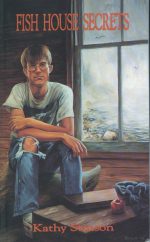
Summer Reading Excerpt #5
Fish House Secrets is a young adult novel about two teens from very different backgrounds whose lives intersect for a few days on the south shore of Nova Scotia. This excerpt comes before the two meet. Jill Birds flap and shriek. A maze. Which way? A mother holds a little girl’s hand, leads her away from…
Read More...
Summer Reading Excerpt #4
From Seven Clues, the first in a 3-book series of early chapter book summer adventures — … The wheels of Matt’s plain, old bike and David’s new BMX spun freely along the pavement. The breeze cooled the boys’ faces and necks. But they had not gone far when Matt’s bicycle ground to a stop. “Oh,…
Read More...
Summer Reading Excerpt #3
This week’s summer reading excerpt is taken from One Year Commencing. In Chapter 4, Al is trying to figure a way out of doing what a court order has said she has to do – stay at her dad’s for a year, and after that decide whether to stay with him or go back out…
Read More...
Summer Reading Excerpt #2
The second in my “summer reading” series is an excerpt from “Between Mars and Venus”, one of the short stories for young adults in 101 Ways to Dance. One evening shortly before summer holidays, Susan takes Melina, the new girl from school, to the beach near where they live. … The water is like glass. There…
Read More...May is Vision Health Month
Because I’m so grateful for my own vision health, and because I love to read aloud (and do it well), I’ve been working as a volunteer reader and technician at the CNIB Recording Studio for the past 6 years. In that time I’ve narrated parts of various magazines and text books and 19 entire books.…
Read More...
Summer Reading Excerpt #1
In the coming weeks, my blog will feature periodic postings of “summery” excerpts from some of my books – starting today with a short snippet from – hot off the press! – Marie-Claire. All four of the original Marie-Claire stories appear in this handsome treasury edition. “Lucille, do you mind if we find somewhere to…
Read More...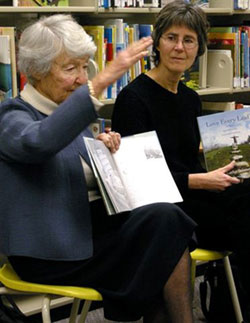
Happy B-Earth Day to me!
Can’t believe I let this opportunity to mention a great book about one of Canada’s first environmentalists go by yesterday! I’m referring of course to Love Every Leaf: the life of landscape architect Cornelia Hahn Oberlander. I’ll blame it on being too focused on my birthday. 🙂 I’m grateful to Linda Granfield for sending me…
Read More...
More on Kids, Books and Libraries
I don’t think anyone needs convincing that learning to read is a necessary life skill. Reading aloud to kids is a crucial part of motivating them to want to learn to read. It’s probably also the easiest and most fun way to motivate them. For many people happy memories of being read to as a…
Read More...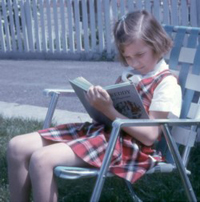
Gotta Love Your Library!
The Teen Advisory Group at the Guelph Public Library launched a campaign recently to encourage residents to discover new books and authors, to use their library more often, and to become more active in their community. They asked all kinds of people to submit a response to their campaign. Here’s what I sent: I still…
Read More...
Liberia Lingers
I am well and truly home. I’ve celebrated my daughter’s birthday, visited with my son and his wife, had lunch with my sister and my dad, and settled back into daily routines with my husband and my dog. On the work front, I’ve sent a writer whose manuscript I’m editing comments to congratulate her on…
Read More...
The People in my "Neighbourhood"
Home again from Liberia, I was contemplating what aspect of my week there I would blog about – what illustrators were learning and doing with Gord Pronk while I worked with writers? how a group decides which “personal heroes” qualify for inclusion in a Liberian anthology? the fun we had with an oral “dialogue” exercise?…
Read More...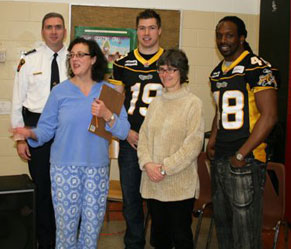
Another Thing About Reading
So, what do I have in common with two football players, a policeman, and a woman in pyjamas? We were all part of Family Literacy Day at Dr. J. Seaton School in Sheffield this week. Linda Fleming (in pyjamas like most of staff and students that day) organized the event at which two Hamilton Tiger…
Read More...Three Things About Reading
I was thinking about blogging about good books I’ve read lately when two things happened. I got a letter from a girl in New Brunswick who first wrote me almost seven years ago, and I was asked if I would go back to Liberia to do some more work with writers there. The NB girl…
Read More...Children's Book Suggestions
Did you know that the “Blogged” sections on the book pages of my web site sometimes contain good suggestions for books by other authors besides me, that you or the young readers in your life might enjoy? Take, for example, a post this week by blogger, Sue Fisher, who is Curator of the Eileen Wallace…
Read More...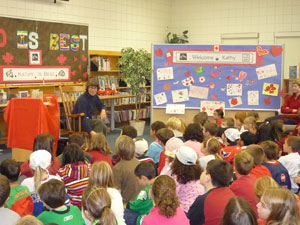
Students All in a Buzz
Nancy Evans is a teacher-librarian in London, Ontario. She sent me a thank you note recently that made my day and she’s given me permission to post it here, along with the accompanying photos. I wanted to sincerely thank you for sharing time with us. Our students are all in a buzz this week as…
Read More...A GG for Greener Grass
Last night Caroline Pignat received a Governor General’s award for her young adult novel, Greener Grass. Not surprising when you look at the reviews. And needless to say, she’s delighted. The book is set in Ireland, and she’s going to take her parents there with some of her prize money. What makes Caroline’s win sweet…
Read More...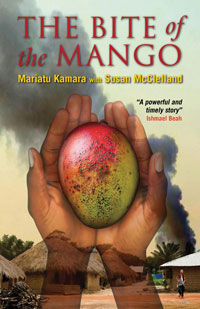
The Bite of the Mango
I have just finished reading The Bite of the Mango by Mariatu Kamara with Susan McClelland. It’s Mariatu’s story of how her life in Sierra Leone was changed when the rebel army attacked her village and cut off her hands. The back cover says it’s a story of “immense courage, resilience, and hope.” Reading of…
Read More...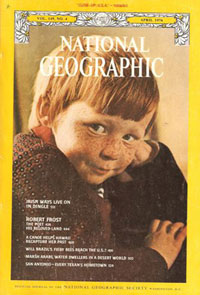
Bringing Robert Frost Home From Newfoundland
A man carried stacks of National Geographic magazines from his truck to a table in the Deer Lake Library. They dated back to the 1950s. One issue caught my eye. The face on the cover was not one I expected to see on a NG cover. It was the April 1976 issue. Inside, unrelated to…
Read More...Kathy Stinson as Editor and Mentor
I’ve done plenty of ‘shameless self-promotion’ here and would like to devote today’s post to the books of other authors I have had the pleasure to work with. Rough Magic by Caryl Cude Mullin is not the kind of young adult novel I would ordinarily pick up and read, but when the managing editor at…
Read More...More On Africa
I’ve just finished reading The Native Commissioner by Shaun Johnson (winner of the Best Book In Africa Commonwealth Writers’ Prize 2007). I bought it while in South Africa, thinking it might offer me useful insight into the complex world of that beautiful country, and it did, to some extent, though of course there is a…
Read More...The Bare Naked Talk
Who knew that talking about book censorship with university students (and assorted others) would be so much fun? The room at St. Jerome’s in Waterloo was packed last night – a great start – and people responded with great laughter and affection to readings from a few of my books that have been deemed by…
Read More...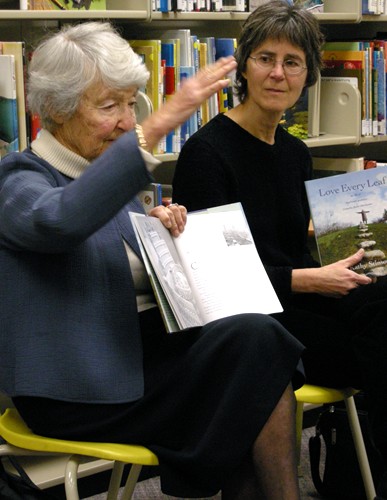
Kathy Stinson & Cornelia Oberlander Visit Crofton House
Imagine having the chance to meet the author of a biography you were reading, and the person the biography was about, too? That’s what happened for a group of Grade Six students in Vancouver on the last morning of my Book Week tour. When I asked Cornelia Oberlander (about whom I wrote in Love Every Leaf) if…
Read More...Summer Reading
Well, it’s off to a great start! This morning I had a million reasons to get up and get going on my day, but I had to stay in bed to finish reading Dooley Takes the Fall by Norah McClintock first. You don’t often see “literary” and “page-turner” together in a review, but both words apply to…
Read More...A Treasure for My Pocket
Two big surprises at the Literacy Conference in Burlington last weekend. The onsite bookseller, Different Drummer, had on hand a big stack of Love Every Leaf: The Life of Cornelia Hahn Oberlander – and it wasn’t scheduled for release till several days later! (It looks gorgeous, and after I spoke about it briefly during my…
Read More...A Day Can Have A Surprise In It
My granddaughter was tickled to see that the book she got from me and her grampa for her 6th birthday – A Pocket Can Have A Treasure In It – had her name in the thanks and dedication. She also received, from both us and a great aunt, The Miraculous Journey of Edward Tulane, a wonderful new…
Read More...A Not-Typical Day in the Life – December 5
6:00 Worked on my novel. Wrote a scene that makes better use of material barely touched on in a previous draft. 7:15 Ate breakfast – yogurt with bananas and almonds and cereal – and did a crossword puzzle. 7:45 Took Keisha for a walk up the line. 8:45 Had a shower and answered emails. 9:30…
Read More...Summer Reading
Today’s the day I decide which books to take to the cottage. Despite having a growing stack that includes Scotch River by Linda Little and Extremely Loud and Incredibly Close by Jonathan Saffan Foer, I’ve taken a couple of books by Chris Bohjalian out of the library, having very much enjoyed his Midwives a few years…
Read More...