
Subscribe Now!
Poetry News & Quotes
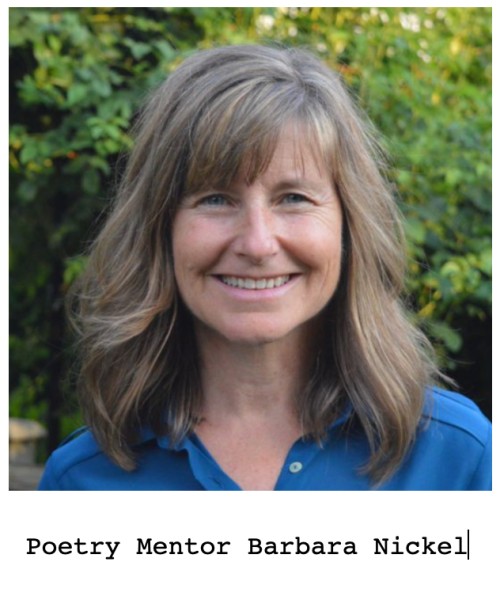
April is National Poetry Month and I have two exciting (at least to me!) bits of news related my poetry to pass along. This month a mentorship I’ve had the good luck to be involved in since the fall is wrapping up. During the program funded by the Writers Union of Canada, the poet Barbara…
Read More...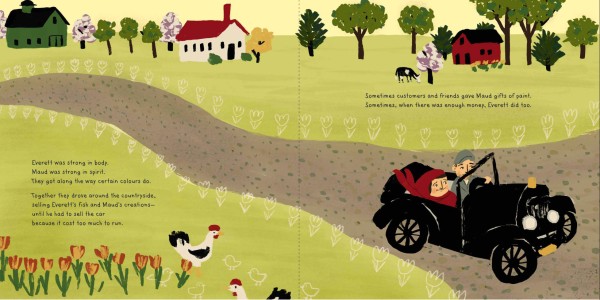
Another Award Nomination for A Tulip in Winter
The “Early Buzz for A Tulip in Winter“ has continued to grow in the months since its release last spring. The latest exciting news is that the book’s illustrator, Lauren Soloy, has been nominated for the Elizabeth Mrazik-Cleaver Award for the art she created for our picture book biography of folk artist Maud Lewis. As you can tell from the spread…
Read More...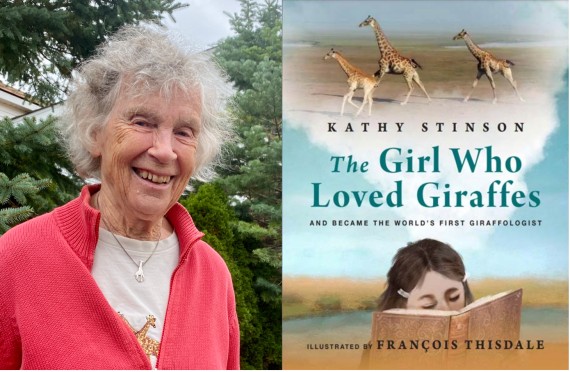
Happy Birthday to the World’s First Giraffologist!
On the eve of Anne Innis Dagg’s 90th birthday, I challenged myself to sum up her life in 90 words. 1930s A Canadian girl sees her first giraffe and falls in love. 1940s She begins to dream of studying giraffes in Africa. 1950s She does it. 1960s She writes a book and gives university lectures…
Read More...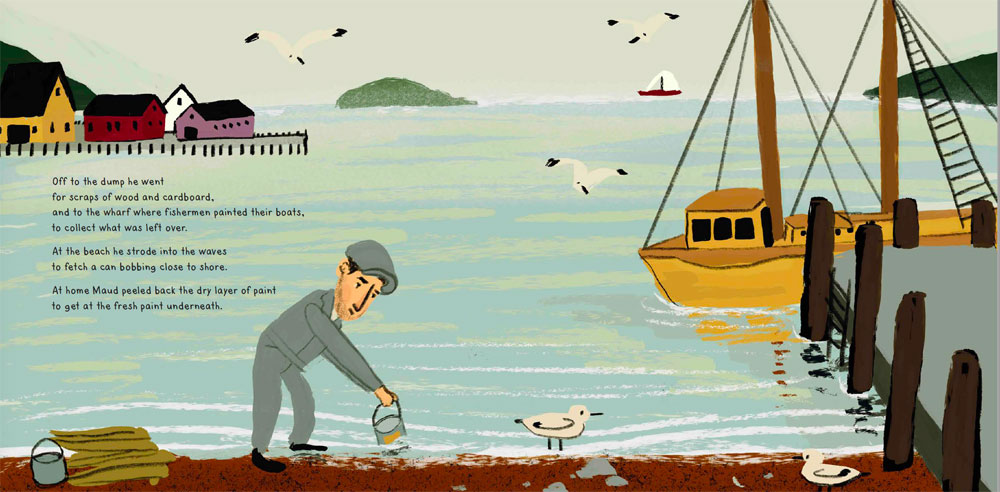
Getting to Know Maud Lewis
In contrast to the often bleak landscape and harsh climate of rural Nova Scotia that formed the backdrop of her life, Maud’s paintings brim with vivid, joyous colour. Was she escaping the miseries of her life through her painting? Or was she simply adept at seeing the beauty in the world and expressing it through…
Read More...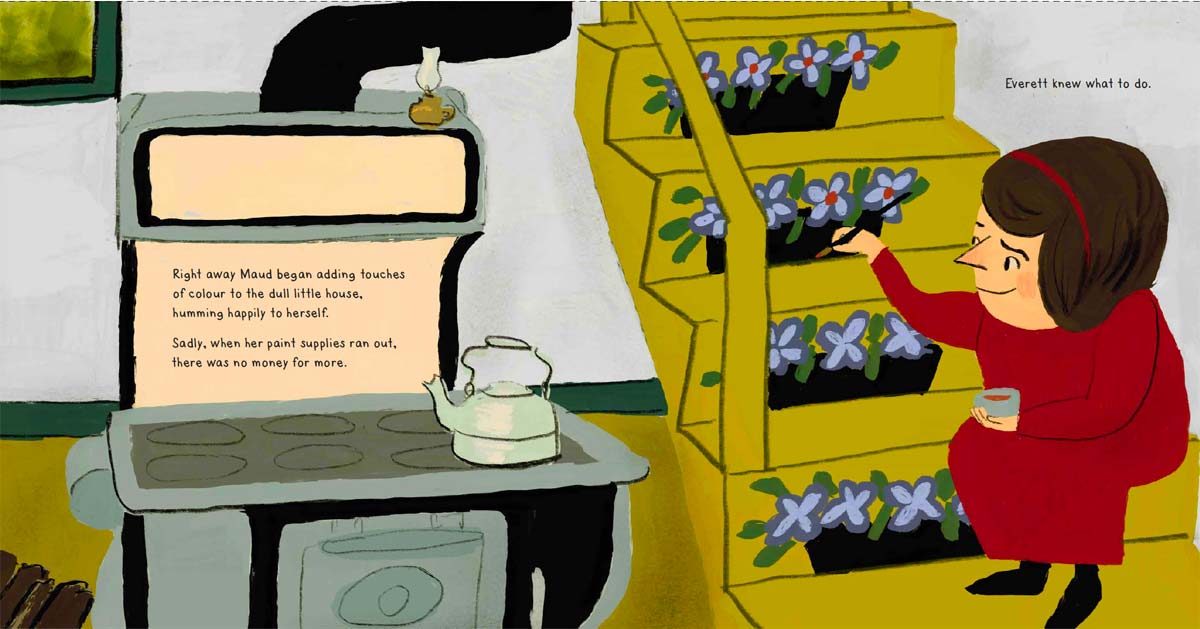
Early Buzz for A Tulip in Winter
Sometimes a book, no matter how well written and illustrated, edited and designed, fails to find its intended readers. The reason is sometimes a mystery, but how much effort a publisher puts into promoting a book definitely has an impact. Lucky is a book whose publisher’s publicity department is hard at work even before its…
Read More...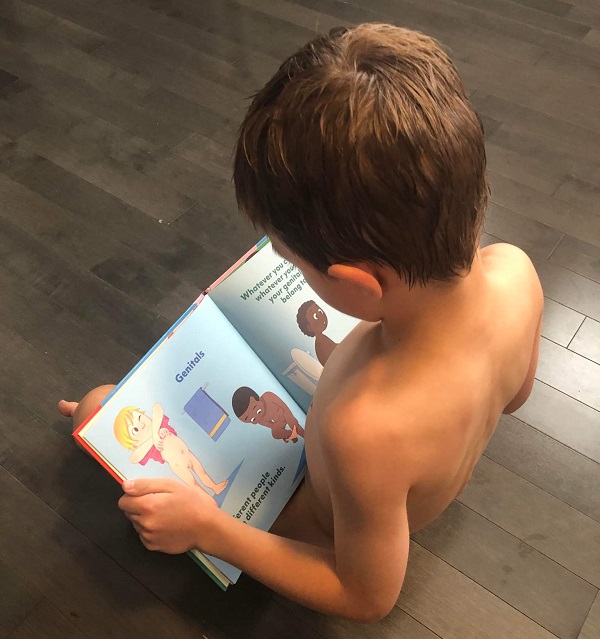
Why “Genitals”?
I love to hear from readers of my books, whether they’re expressing delight in what they’ve read, or questioning some aspect of what they’ve read. In 2019, a reader who liked The Bare Naked Book (the 1986 version) expressed disappointment with the inaccuracy of the “penis” and “vagina” spread. — “Our identity does not always…
Read More...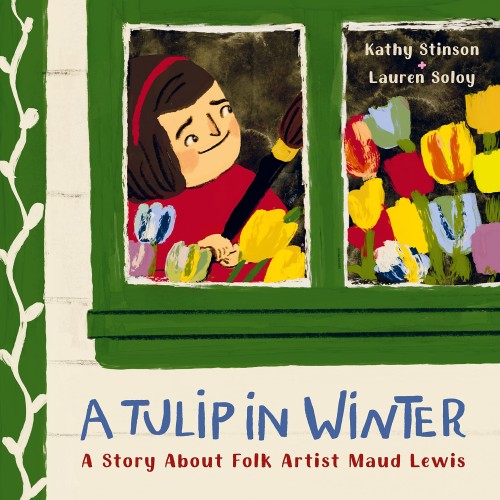
Holiday Book Shopping Made Easy
Many readers are enjoying the pleasures of browsing their local bookstores for holiday gifts these days, others the pleasures of shopping online. New buttons on the book pages of my website will make it easier for you to quickly find what you’re looking for, whichever your shopping style preference. You are looking for books by Kathy Stinson for all…
Read More...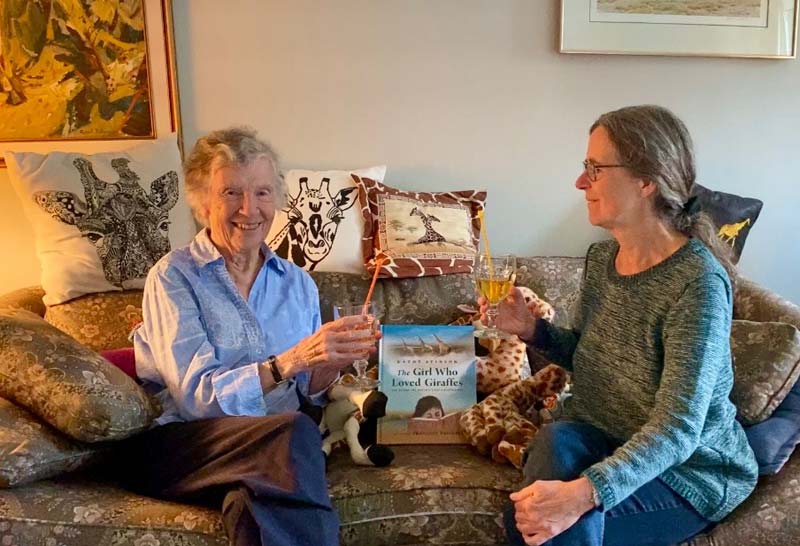
Close But No Cigar
Ever wonder where the expression “Close but no cigar” originated? I had two occasions last month to wonder. This is what I learned. Back in the late 19th and early 20th centuries, players who succeeded at fairground games of strength, accuracy, and skill were commonly awarded a cigar as a prize. The games were notoriously…
Read More...
Do You Love Giraffes?
The subject of my latest book, The Girl Who Loved Giraffes — Anne Innis Dagg — wants to share her life-long love of giraffes. If you’re 7-17 years old, you can meet with her and other young giraffe lovers from around the world online every month by joining the Junior Giraffe Club, set up by…
Read More...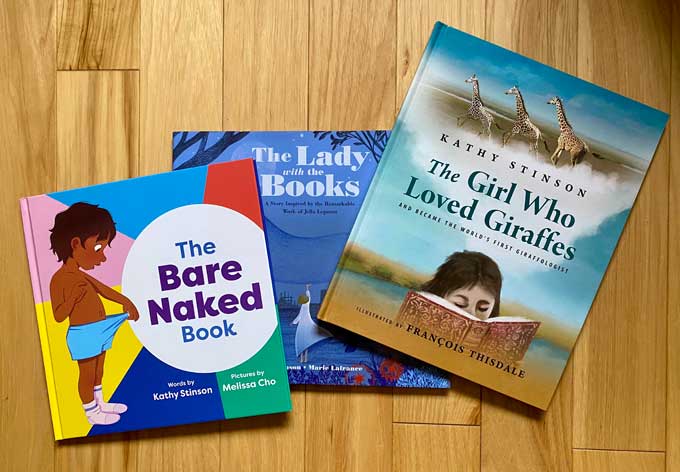
Summer Reading
Whether you’re spending your summer close to home or venturing farther afield, I hope you’re enjoying the luxury of some summer reading time. Whether on a beach or an apartment balcony, in a hammock or a tent, there’s something special about the longer, warmer days that says “Relax. Let yourself sink into one of those…
Read More...
Today is World Giraffe Day!
June 21 is World Giraffe Day — a celebration of the animal with the longest neck on the longest day of the year. (Or the longest night, depending on where on the planet you live.) Did you know that a giraffe’s hooves are as large as dinner plates? Or that a giraffe gives birth standing…
Read More...
Did You Miss the Launch of The Girl Who Loved Giraffes?
Hearty thanks to the over 100 people who tuned in to hear multiple perspectives on this picture book biography last week. Editor Bev Brenna interviewed me, illustrator François Thisdale, the book’s subject Anne Innis Dagg, and Anne’s daughter Mary. We got brief perspectives from cohosts Fitzhenry & Whiteside and The Bookshelf too. Watch the recording…
Read More...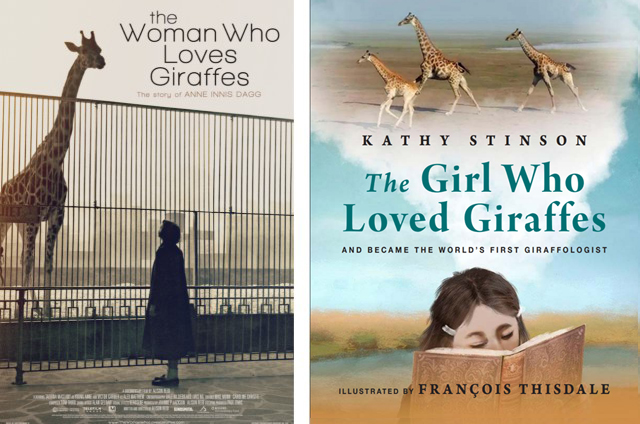
First the Movie, Then the Book
It’s not every time you see a documentary that you get to meet its subject right after. Or that you know — before the film is over and even more once you’ve heard the subject address the audience — that you want to write a book about her for kids. Or that the subject agrees to let…
Read More...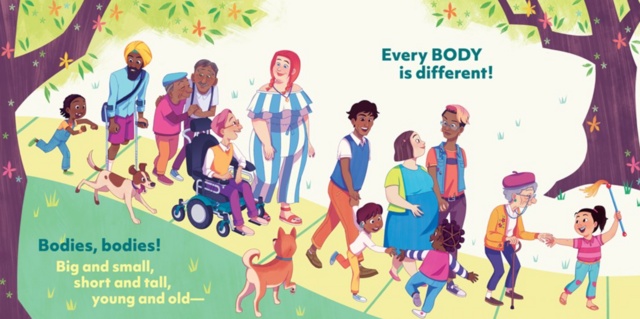
Bare Naked Review
There’s nothing quite like having a reviewer as highly respected as Dana Rudolph, founder of Mombian (a blog, resource directory, and book database for lesbian moms and other LGBTQ parents), totally get and appreciate all the decisions made during the course of creating one’s book. When Annick Press and I decided to update The Bare…
Read More...
The First International IBBY Canada Meeting
Last weekend, over a hundred people gathered from around the world to attend an IBBY Canada meeting. As a program presenter I logged in early and to see faces rapidly filling the screen as others joined the meeting was truly exciting. There were the faces of friends and colleagues from across the country, many whom…
Read More...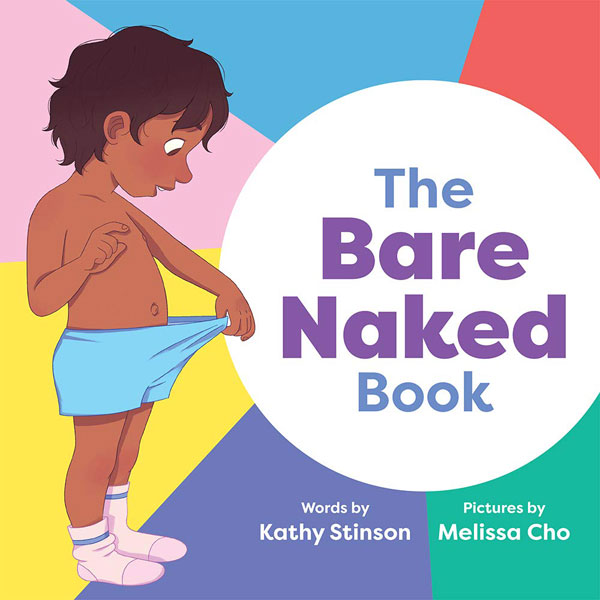
A “Bare Naked” Reveal
The original publication of The Bare Naked Book in 1986 caused quite a stir. It was considered pretty daring at the time to show naked bodies and talk about them frankly in a children’s book! But we knew it was important for children to see different bodies being celebrated and to learn about their own. The book was…
Read More...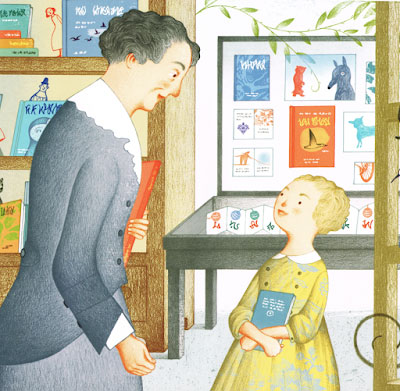
Comfort, Hope, and Connection through Children’s Books
“Kathy Stinson’s stories have always found ways to offer hope and comfort, easily getting into the heads of her characters and recognizing what is important to them,” says Helen Kubiw in her CanLit for Little Canadians review of my latest book. Writing a story often begins for me with wondering, What would it be like…? To…
Read More...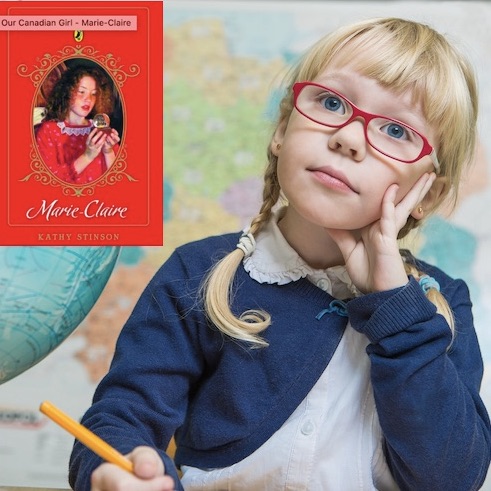
Dark Spring
A strange title for a blog post at the beginning of autumn? It was prompted by an email I received last week from the chaplain at the Junior School at Havergal. She said: One of the things I’ve been wanting to do is help our girls process their Covid experiences in a diary (I’m doing…
Read More...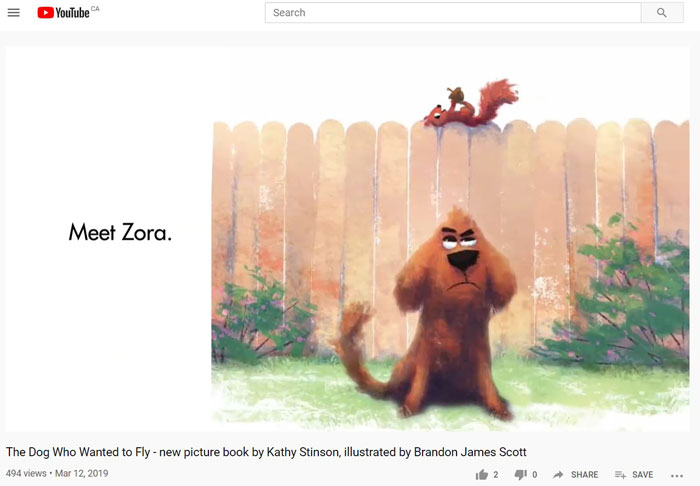
Children’s Book Resources During Covid19 and Beyond
Imagine a youtube channel devoted to video resources all about Canadian books for children and youth? Bibliovideo has been launched! The program will bring readings, interviews, activities, trailers, and reviews to teachers, parents, and kids of all ages. The closing of schools and libraries motivated the Canadian Children’s Book Centre to work hard to…
Read More...
3 Books, 3 Illustrators, 3 Publishers
Exciting news about upcoming books — François Thisdale is currently working on illustrations for The Girl Who Loved Giraffes and became the world’s first giraffologist (Fitzhenry & Whiteside)! “The Girl…” is Anne Innis Dagg. We recently had fun celebrating a year since our first meeting. Marie Lafrance has completed illustration of The Lady with the Books: A Story…
Read More...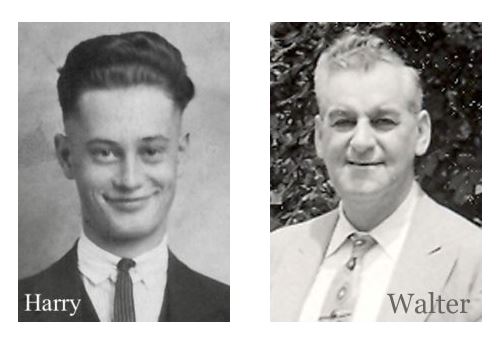
Why Zora? Why Walter? Why Ivy? and Other Name Decisions
Naming characters is sometimes easy. It’s usually not, for me, but it’s always fun perusing baby name websites for possibilities. Kelly in Red Is Best is Kelly because Kelly is the name of my daughter who inspired the story almost 40 years ago. I named the boy in Big or Little? Matthew after my son who inspired that book.…
Read More...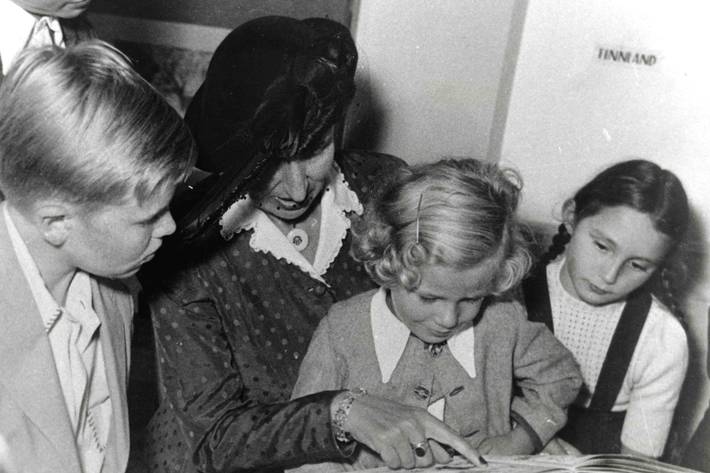
Who is The Lady with the Books?
Hint: She said, “If the war is really over, if one is to believe in peaceful coexistence, the first message of peace will be these children’s books.” She is also the subject of an upcoming book (by me) that members of IBBY-Canada got a peek into at the AGM in June. Readers of the book…
Read More...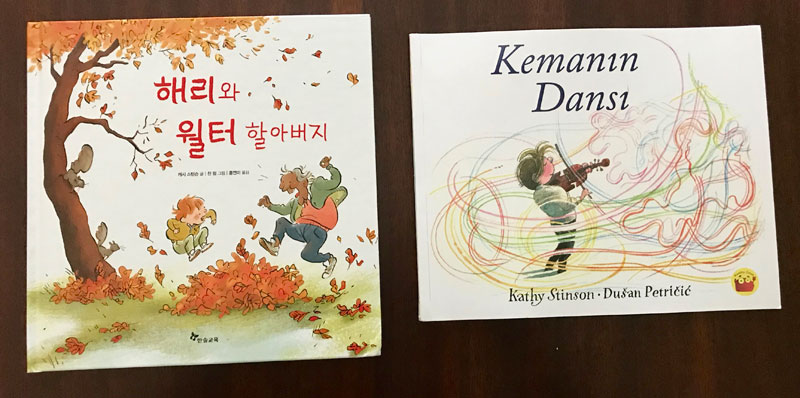
New Editions
The promised bean-spiller about recent projects is coming soon but it’s been pre-empted by the same-day arrival of exciting new editions. . . Harry and Walter in Korean and The Dance of the Violin in Turkish. English-language versions of both books are now available in paperback too. Happy reading!
Read More...
And the winner is…!
Thanks to all who participated in the “Can your dog fly?” photo contest. There is clearly a wonderful assortment of canine companions with prize-worthy aspirations out there. A panel of independent judges has declared the contest winner. Congratulations to Michael Greenlaw, who will receive a signed copy of The Dog Who Wanted To Fly for his photo…
Read More...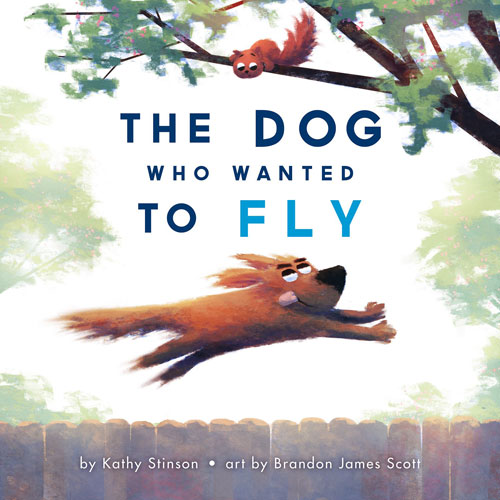
Can your dog fly?
The long-awaited The Dog Who Wanted to Fly is now out! Send me a photo of your dog — especially if she or he can fly — for a chance to win a signed copy of the book and a chance to have your dog featured on my blog! Deadline for entries: April 10, 2019
Read More...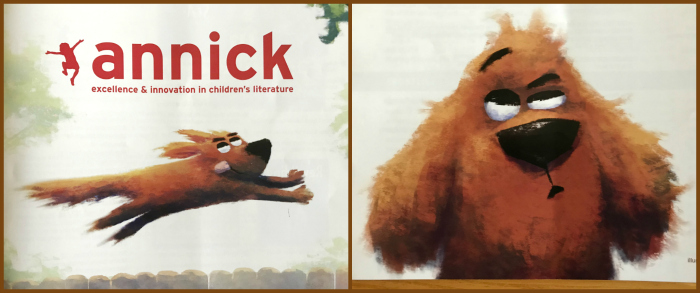
Who is that dog…? Part 2
Earlier this year I posted a teaser for my next book. Now “that dog” is featured on Annick’s Winter/Spring 2019 catalogue — front and back! Thanks to Brandon James Scott for his perfect capturing of Zora’s personality and her emotions.
Read More...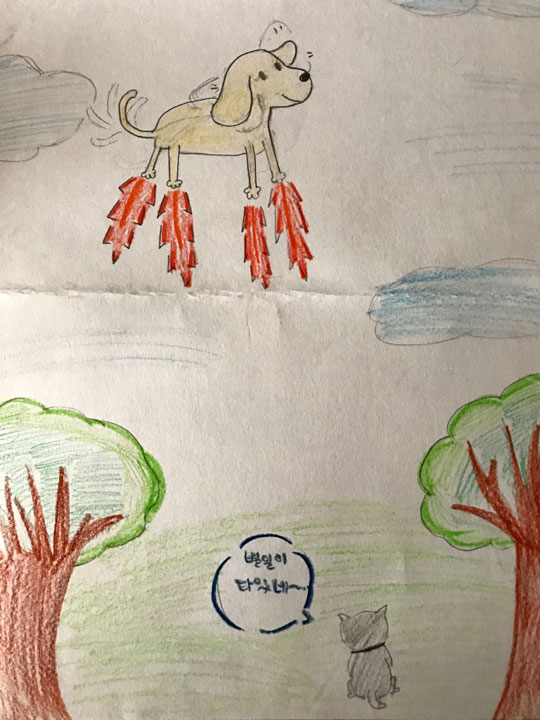
Who is that dog…?
… and what is the cat saying? In recent months I’ve invited kids to listen to an unpublished story and imagine they’d been hired to illustrate it. Here’s how one young artist in Korea depicted one scene. Annick Press has since hired an illustrator who seems to be having as much fun with the story…
Read More...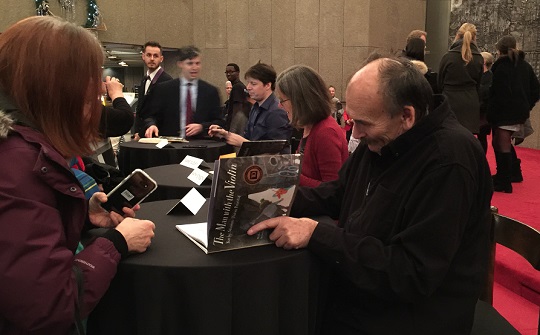
A Happy Way to End (Almost) 2017
It was a traveling sort of December, most recently to Ottawa for the Canadian premiére of the musical adaptation of The Man with the Violin. Very exciting to celebrate this book once again with Dusan Petricic (its illustrator who came all the way from Belgrade for the event), Rick Wilks of Annick Press, Joshua Bell…
Read More...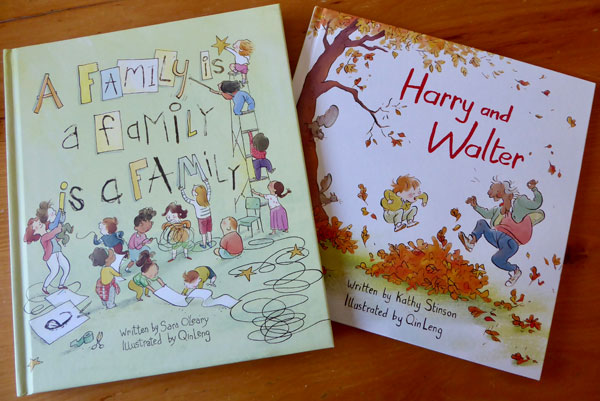
What do these books have in common?
Sylvia Schwartz was a photographer who specialized in children’s portraiture. Her sister Ruth was a bookseller. Sylvia established the Ruth Schwartz Award in 1976 to recognize “artistic excellence in Canadian children’s literature.” In 2004 the family renamed the award the Ruth and Sylvia Schwartz Children’s Book Awards, ten years after establishing separate awards for picture…
Read More...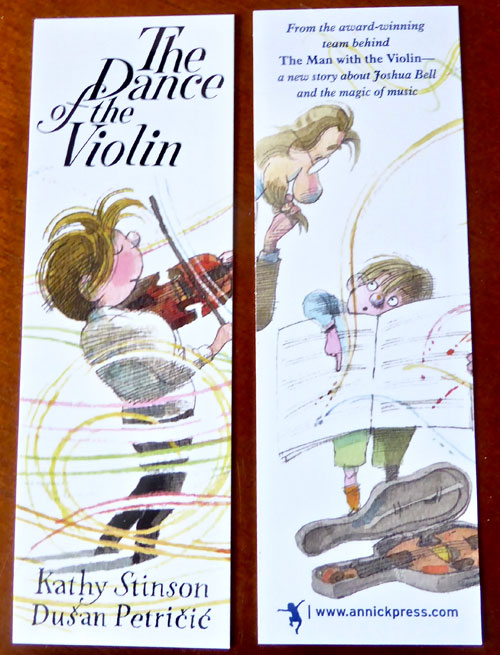
Announcing . . . The Dance of the Violin!
A new picture book about Joshua Bell by the same team that brought you The Man with the Violin. This interview with Open Book will tell you all about it. Read on!
Read More...
Standing Ovation for "The Man with the Violin"
The sold out audience in the four tiers of seats at the Kennedy Center rose to their feet with a roar on the afternoon of February 12, when the world premiere of the orchestral adaptation of the book, The Man with the Violin, ended. Behind the orchestra was a large wide screen on which was projected imagery created by…
Read More...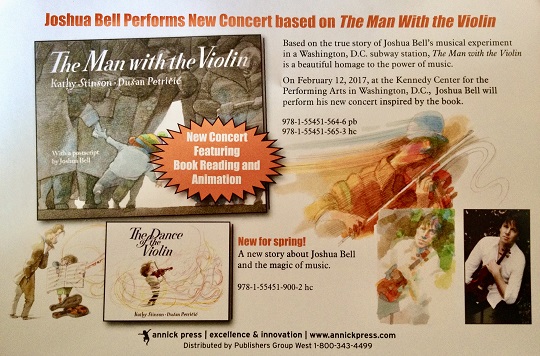
World Premiere – The Man with the Violin
The exciting news I shared last June — about the musical adaptation of The Man with the Violin in the works — is about to become a living thing. The man with the violin, Joshua Bell himself, will play the part of the solo violinist who was ignored by thousands when he played in a…
Read More...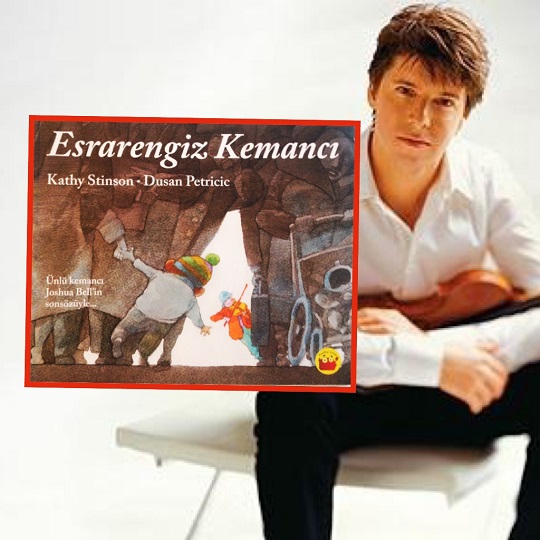
O Homem do Violino, Violinist, and Now…
Slowly but surely The Man with the Violin is making its way into the world outside of North America. Esrarengiz Kemanci is its sixth translation
Read More...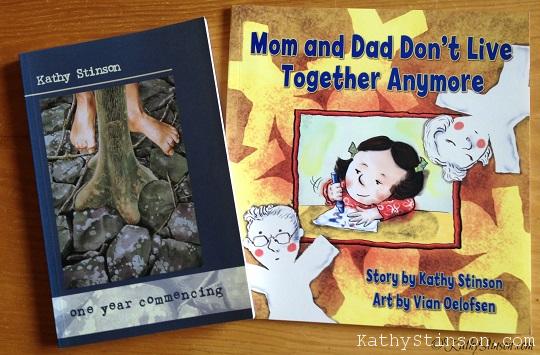
Books about Kids & Divorce
As timely as ever… One Year Commencing — published in 1997, but would having to decide which parent you want to live with be any easier now than it was then? Thistledown Press doesn’t think so. This book and 4 more YA titles are on sale for 30% off this week, through their website only.…
Read More...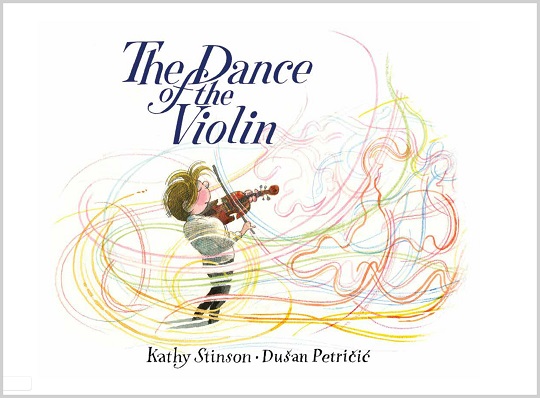
Book Cover Reveal
Not out till 2017 but I’m too excited about this to keep it to myself any longer…
Read More...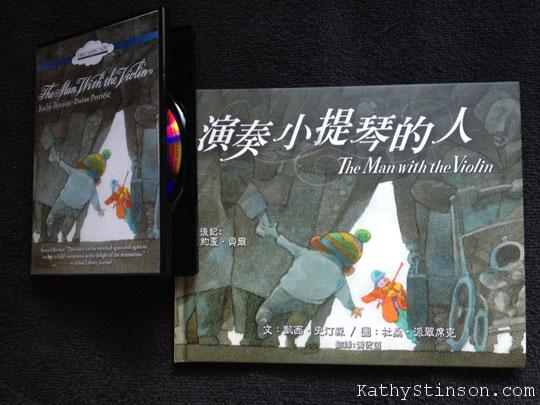
Exciting News for The Man with the Violin
New editions — Korean and Portuguese coming soon too. But that’s not all that’s been happening with this book lately. The National Arts Centre has big plans. The multi-talented composer Anne Dudley has been laying the groundwork for a musical treatment of the book — for orchestra, solo violin, and narrator. Normal –…
Read More...
When Green Is & Isn’t Best
Sure, I wrote Red Is Best – first published in 1982 and still going strong. Those Green Things – first published in 1985 and again in 1995 with new illustrations when sales began to flag – has now been officially declared out of print. Don’t tell anyone, but I actually like green more than…
Read More...
Why Colour? Why B&W?
Ever wonder why only some of the people in The Man with the Violin (now available in paperback) are in colour? Nan Forler, a writer-friend who happens to also be a Kindergarten teacher, wrote me recently and passed along some of her students’ thoughts on the subject. She didn’t pose the question herself, but once…
Read More...
Reading Aloud
I love reading aloud to any willing audience. This week is giving me lots of chances to do so. Reading Christmas-y excerpts from Brian Doyle’s Angel Square to my Book Group. Reading Draft #5 of a story-in-progress for feedback from one of my writing groups (I’m lucky to have two). I’ll be reading that draft…
Read More...
How to Write a Picture Book
On Today’s Parent’s recent list of the 100 best Canadian kids’ books of all time are two books by yours truly — my first and my most recent, both of them award-winning picture books. Next year will see the publication of my 12th picture book, being illustrated right now by the wonderful Qin Leng. A…
Read More...
Where can I buy your books?
Depending on where you live and/or your shopping experience preferences, there are a number of options for buying my books and those of other authors. I personally love to browse the shelves, reading jackets and getting a feel for the book in my hands. I like the diversity of selection in an independent bookstore, and I…
Read More...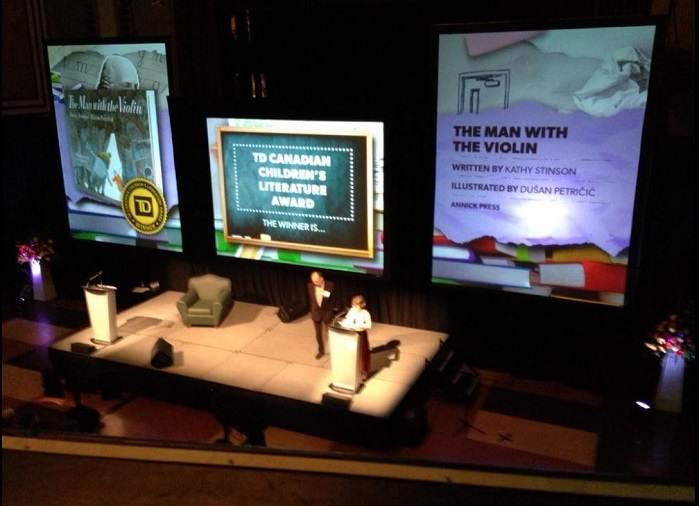
How does it feel to have won the TD Children’s Literature Award?
When TD and CBC interviewers asked me this question the night of the gala celebration of this year’s TD and CCBC Book Awards, I believe I responded with something like, “Uh, ba, da, duh, ba, uh, um, daba dah…” How often do we find ourselves thinking, after it’s too late, ‘Oh I wish I’d said…’?…
Read More...
Why did Joshua Bell do it again?
According to a Washington Post article last week: 1. He hoped it would get people to stop asking him about his first Metro station concert that he did as part of a social experiment. I wonder if he’s been asked more often since the publication of The Man with the Violin which has attracted awards all over…
Read More...
The Man with the Violin Goes to Brazil
Of course Joshua Bell – the man with the violin himself – has been travelling internationally years now. But the book inspired by his concert in a metro station is now travelling too. Serbian, Portuguese, Chinese, and French language rights have been sold to various places around the world, in addition to certain iconographic video…
Read More...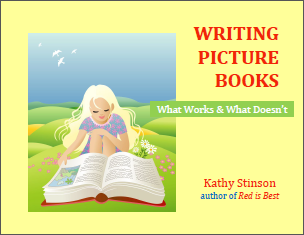
“Who should I get to illustrate my manuscript?”
That’s just one of the questions posed in the chapter “Illustration” in my e-book Writing Picture Books: What Works and What Doesn’t. The answer? No one. Not your brother or friend who likes to draw or your talented aunt who painted the picture over the sofa at your cottage and would love to illustrate your book. Only…
Read More...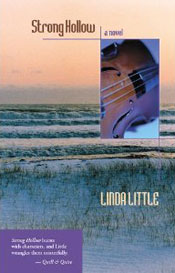
Another Man with Another Violin
If The Man with the Violin has whet your appetite for another story about a man and a violin — and even if it hasn’t — I have to recommend Strong Hollow by Linda Little. Strong Hollow shows how music comes to be a vital part of a young man’s life, even though (unlike Joshua…
Read More...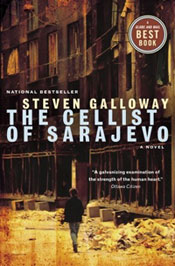
One Book, Two Books
Torontonians have been reading and discussing The Cellist of Sarajevo this month as part of TPL’s “One Book” program. The novel is set during the siege of Sarajevo when a cellist chose to play his cello in the street to mourn the deaths of 22 citizens shot while lining up to buy bread. It is,…
Read More...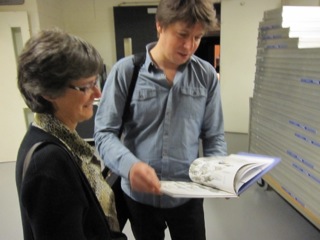
Kathy Goes to Washington [slideshow]
A big thanks to Annick Press for making this adventure possible. Thanks also to Kerri Poore of Politics & Prose for her part in making the bookstore event such a success. For the photos that make up the slideshow, thanks to David Schuller, Marketing and Publicity Assistant at Politics & Prose for those taken at the front of the…
Read More...
A Digital Book Award (and more fun) for The Man with the Violin
Excited to be heading to Washington D.C. in a couple of days to celebrate The Man with the Violin with a joint signing with Joshua Bell – the man with the violin himself – at Politics & Prose Bookstore on Saturday morning. Especially fun when Digital Book World has recently given the ebook version a…
Read More...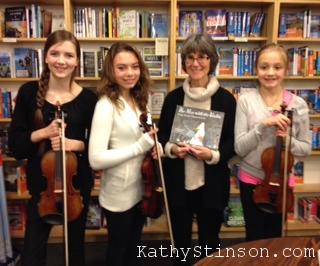
The Man with the Violin at The Bookshelf
Thanks to the great staff at The Bookshelf in Guelph for welcoming me, The Man with the Violin, and three musicians into the store on Saturday. Starting at 10:45 or so, three students from the Suzuki String School of Guelph played violin to help attract people to the area in the store where a reading of…
Read More...
Celebrating “The Man with the Violin”
In Guelph! Join me and the Suzuki String School of Guelph at the Bookshelf (41 Quebec Street) at 11 a.m. on Saturday, December 14. I’ll be reading the book, students will provide the music, and there will even be a chance for you to try a few notes on a string instrument yourself, courtesy of…
Read More...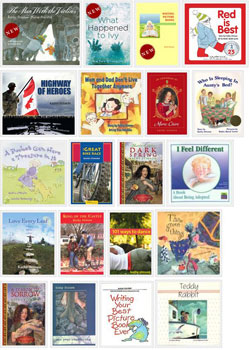
Finding Book Info at KathyStinson.com
One of the things I’ve liked about my website for some time is the visual gateway into information about my books that my tech-savvy and creative website manager set up on the Books page. Depending on the book, a reader can find Reviews, Excerpts, Ordering info, Interviews, Discussion questions or Activities, and always an answer to…
Read More...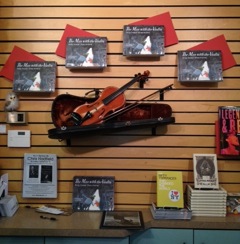
Books and Violins and Music in General
Don’t you love this display at Vancouver Kids Books? Clever thinking on the part of its designer. Good news for The Man with the Violin continues to roll in. It has already being reprinted. Starred reviews and others it’s attracted are lovely. It’s fabulous that the book is being made available at Joshua Bell’s North…
Read More...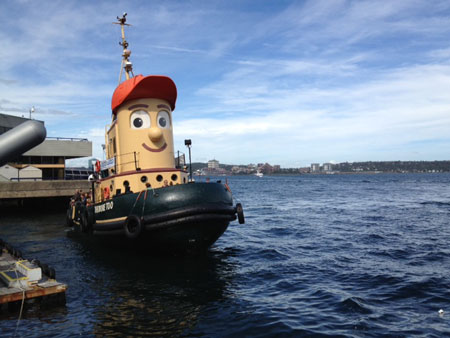
Across this Country
September in Nova Scotia. October in British Columbia. November in Alberta. What wonderful opportunities to meet readers across this wonderful country of ours. I’m often in Nova Scotia in the early fall. Knowing this, organizers of Word on the Street in Halifax invited me to take part. My audience at the CBC tent included (much…
Read More...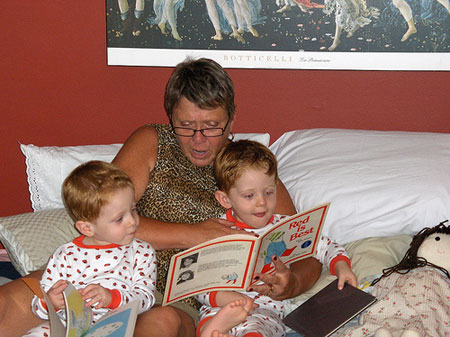
RED Hair & RED Trimmed Pajamas in a RED Room IS BEST!
Red Is Best is now older than I was when it was first published. It has appeared in hard cover, soft, and in board book formats, as an Annikin, a Gage big book, and as an e-book. And it’s been translated in many languages so kids in other countries can enjoy reading it too. Wow.…
Read More...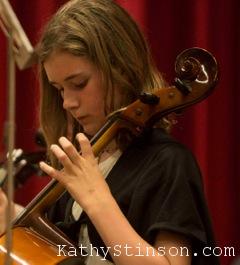
What does "The Man with the Violin" really care about?
As my loyal followers know, “the man with the violin” in The Man with the Violin (now available) is Joshua Bell. As well as caring about making beautiful music, this virtuoso violinist also cares about doing what he can to ensure that kids have access to music education. In the postscript to the book, he quotes…
Read More...
Help For Your Picture-Book-Writing Woes
Sometimes you get a great idea for a story, you write it with a great sense of ‘This one is going to be great!’ But when you read it over (or get feedback from your trusted writing group), you discover it’s definitely not as good as you were sure it was going to be. (It…
Read More...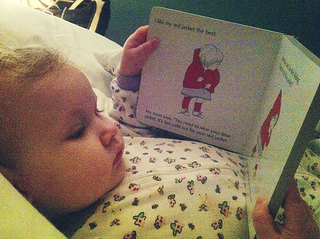
Plans for Another Kathy Stinson Board Book
I was delighted when Annick Press decided to make Red is Best available as a board book, and even moreso when I discovered this photo on flickr. This year Annick decided to make Big or Little? available as a board book, too. I’ve changed some of its words so the book’s very young readers will…
Read More...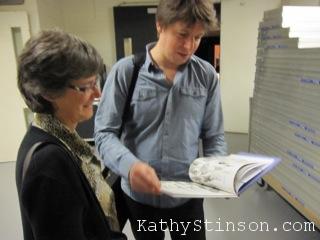
Meeting Joshua Bell
What an evening! On June 5, I attended a concert at Roy Thomson Hall featuring Joshua Bell as guest virtuoso violinist. Hearing and watching him play his multi-million- dollar Strad was even more exhilarating than I’d imagined it could be when I wrote these words (in my upcoming fall book, The Man with the Violin): “The high…
Read More...
Whose Point of View?
Like many writers, I’m drawn to stories told from multiple points of view. I think this is because, as writers, we’re fascinated with the different ways people perceive and experience the world, and how that influences their behaviour. We may also be keen to see events from all sides. But which of many possible viewpoints are needed to…
Read More...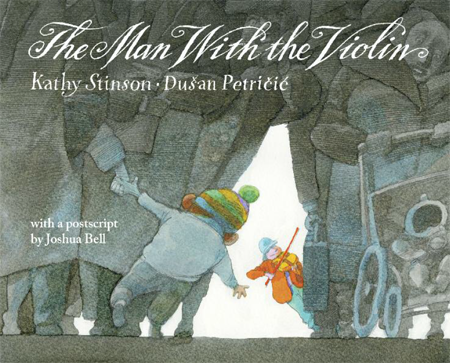
Introducing: The Man With the Violin
It started with a forwarded email late in 2011, containing a link. By February 2012, I had sent to Annick Press a manuscript for a picture book version of the story that had so captivated me . By August, Dušan Petricic was on board to illustrate a much crisper version of the story than what I’d originally…
Read More...
Stuff bloggers have said about Me
“Kathy Blogged” has disappeared from the Author menu on my website. Those words never quite captured what they were trying to say: Here are some blogs where Kathy Stinson is mentioned. But rather than just see some of the neat things bloggers said totally disappear, I decided to put a few of them into a…
Read More...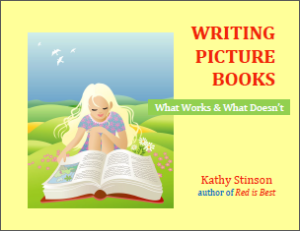
Writing Picture Books
Need help with your picture book manuscript? From the introduction to the updated e-book version of Writing Picture Books: What Works & What Doesn’t: Many books aim to help writers write better books, but not many with the specific purpose of helping writers write better picture books. Why is this? Because writing picture books is…
Read More...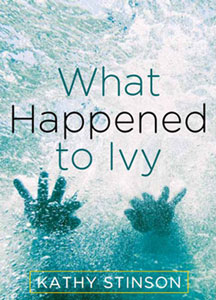
Author Interview
An interview for The Winnipeg Review – ‘Profound Disability, Ably Explored‘ – offers insights into the writing of What Happened to Ivy. Thanks, Marsha, for posing such thought-provoking questions!
Read More...
Congratulations, You’re #10,995!
This month Amazon added a “new feature” to “make it easy for readers to discover the best-selling authors”. Excuse me, but is there a literate person on Earth who needs Amazon to tell them that the Twilight series sells more books than the Our Canadian Girl series, or that R.L. Stine sells more books than…
Read More...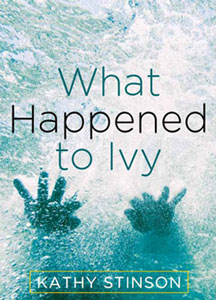
What Happened to Ivy Giveaway
Suppose you’re a teenage boy with a severely disabled younger sister. You love her to bits, mostly, but it also ticks you off how she can totally mess up your social life and make you feel like an outsider even in your own family. Suppose a girl moves in across the street from you and…
Read More...
“An Intimate Examination of Sock Fluff” Part 9
The next excerpt from my PYI keynote in a series that started in December 2011… I would never write another poem if only I could show you in a few perfect lines what the touch of your fingers on my aging cheek means That’s “Poem for Sonia” from Hold the Rain in Your Hands: Poems…
Read More...
Golden Moments at the Golden Oaks Awards
Hackmatack and Silver Birch events this spring were fun. It’s gratifying to see hundreds of kids excited about reading. But the event surrounding the awarding of this year’s Golden Oak was downright inspiring. What makes the Golden Oak different from other “tree” awards is that the readers who vote to determine the winning book are…
Read More...
“An Intimate Examination of Sock Fluff” Part 7
The next excerpt from my PYI keynote in a series that started in December 2011… I feel like the ground in winter, Hard, cold, dark, dead, unyielding. Then hope pokes through me Like a crocus. This poem by Jean Little called simply “Surprise” expresses how I feel when a story isn’t working. “I feel like…
Read More...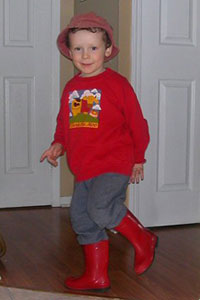
Red is Still Best
There have been 37 printings of Red is Best in Canada since it was first published back in 1982. That doesn’t count the many foreign editions and reprints this “classic” has enjoyed. A month rarely goes by that I don’t hear from someone who loved the book as a child. But that’s not the end…
Read More...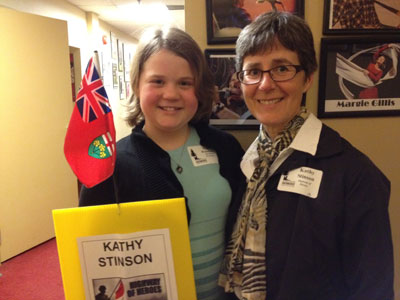
Hope & the Highway of Heroes
How apt that the student assigned to introduce me and Highway of Heroes at the Hackmatack ceremony in Moncton in April was a girl named HOPE. The phenomenon of Canadians lining the bridges over the highway whenever a fallen soldier makes the journey is a comfort to the families who travel with them, but we…
Read More...
“An Intimate Examination of Sock Fluff” Part 6
The next excerpt from my PYI keynote in a series that started in December 2011… My son is in the bathroom shaving the water runs. I hear the scrape across his upper lip, the rinse, the tap three times on the side of the sink which makes me wonder if this is some primordial or…
Read More...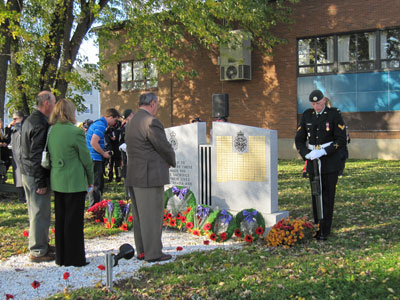
Photo of the Month #4
There’s a bit of a disconnect between the mood in this photo and the mood I’m anticipating at the Hackmatack celebrations in Moncton this week, when hundreds of kids from all over New Brunswick will gather to honour the authors of books they have been reading this year. But there is a connection. Both came…
Read More...
Cornelia Hahn Oberlander & the Art of the Possible
Cornelia Hahn Oberlander refers to her profession, landscape architecture, as ‘the art of the possible’. I believe this phrase also describes the way this remarkable woman has lived her life. Cornelia decided at the age of eleven that she wanted to create parks when she grew up. She escaped Nazi Germany with her family when…
Read More...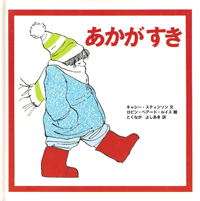
Le Rouge C’est Bien Mieux
With all the foreign editions of Red is Best already published, the announcement of more to come from the Sales & Rights Manager at Annick Press last week came as quite a surprise. Also, it’s now 30 years since the book’s first publication! But this year will see the addition of two new French versions,…
Read More...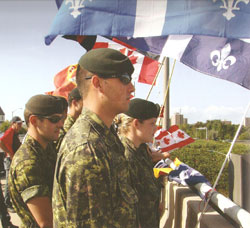
Three Trees for Highway of Heroes
All across Canada, each school year, thousands of students read books that appear on “tree award” lists and, come spring, vote on their favourites. I’ve been lucky enough to have had several of my books nominated over the years: King of the Castle (Silver Birch) One Year Commencing (Red Cedar) Marie-Claire: Dark Spring (Diamond Willow)…
Read More...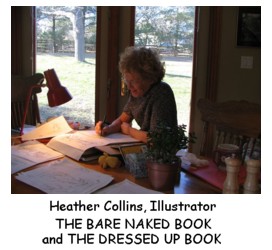
How do you pick the illustrator for your picture books?
I don’t pick the illustrator for my books. The publisher does. They may ask for my opinion about the work of illustrators they’re considering, but the decision is ultimately up to them. What if you don’t like the pictures? I’ve been lucky to have illustrators who have brought wonderful visual ideas to the books, ideas that…
Read More...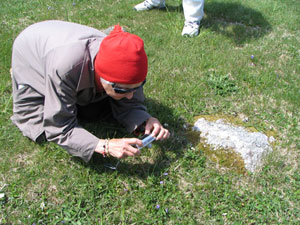
Congratulations Again, Cornelia!
To her long list of awards recognizing her achievements, Cornelia Hahn Oberlander can add the Sir Geoffrey Jellicoe Award – the highest honor in her profession. The International Federation of Landscape Architects (IFLA) presented the award to Cornelia in Zurich in June. Cornelia first set her sights on becoming a landscape architect when she was…
Read More...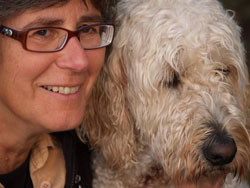
Do you have any pets?
Updated April 2016. Yes! I had a wonderful dog named Keisha for almost ten years. She was a golden doodle. She’s practically famous because the illustrator of A Pocket Can Have A Treasure In It used Keisha as a model for the puppy in the story. Now I have another golden doodle. Her name is Georgia. Never heard…
Read More...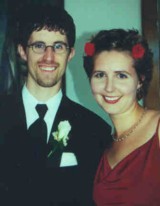
How old are your children now?
I’m going to let you figure that out. Matthew (inspiration for Big Or Little?) was born in 1975 and Kelly (inspiration for Red Is Best and “Babysitting Helen“) was born in 1978. This picture of my kids was taken at Matt’s wedding in 2001. I also have two stepdaughters born in 1967 and 1968 and…
Read More...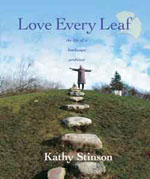
Happy Birthday, Cornelia!
Renowned landscape architect Cornelia Oberlander is celebrating her 90th birthday this week, and is finally admitting to her true age. (Not quite true. She’s been far too busy this month for anything as trivial as a birthday, so the big party will not be held until August.) There can’t be many nonagenarians practising their professions…
Read More...
“Baby Love”
Every writer knows the old saw about ‘killing your darlings’ – deleting favourite phrases, sentences, characters, scenes, etc., from a work as it evolves. I often reassure writers I work with that out-takes from one project can sometimes be used in another project down the road. I hadn’t yet killed the ‘Hannah as a teen…
Read More...
The Fallen Canadian Soldier Project
I’ve blogged before about different ways Canadians have honoured fallen soldiers. But this winter I learned of another, after a neighbour attending a woodworking show with her husband came upon a display of portraits of Canadian soldiers who have fallen in Afghanistan. Stephen Gaebel describes the first time his paintings were exhibited publicly – on Remembrance…
Read More...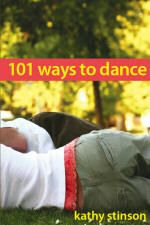
A National Poetry Month Guessing Game
April is National Poetry Month and as it happens, the book I’m reading at the CNIB right now is a novel written in poems, and so is the book I’ll be reading next. The stories in both are told from the points of view of different characters, so it’s been fun trying to match my…
Read More...What's your favourite book that you've written?
Hm. With that question I feel a little as if you’re asking me to say which of my children or grandchildren is my favourite, and of course there are different things that I like about each of them. Books I haven’t yet begun to write are somehow always more perfect than all the others. Of course,…
Read More...Where do you get your ideas?
Ideas are everywhere and anyone can catch them if they practice watching and listening to what’s going on around them. Sometimes ideas come to me from my own experiences, sometimes from other people’s. Sometimes they come to me when I’m reading a book someone else has written, sometimes when I’m in the middle of writing…
Read More...
And More Ways to Honour Them
Last week, after my Nov 15 post appeared, I heard from a retired Canadian Forces officer who had read Highway of Heroes. Like me, he has been blown away by the show of support by the thousands of Canadians who have chosen to stand on the bridges over the Highway of Heroes, and he too…
Read More...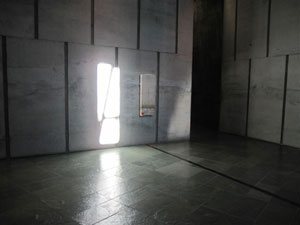
More Tributes to Canada's Soldiers
Before presenting Highway of Heroes at the Canadian War Museum on Remembrance Day, I had the chance to visit some of the exhibits. Only those lucky few with tickets were allowed into Memorial Hall for the magic moment at 11 o’clock on November 11th, when the sun shines through a window onto the headstone of…
Read More...Remembrance Day
I’ll be in Ottawa on Remembrance Day presenting Highway of Heroes at the Canadian War Museum, after a brief appearance on “A” Morning Ottawa. Meanwhile, in Springhill, Nova Scotia, a student will be reading Highway of Heroes to a school assembly. Around the gymnasium will be “Bridge Ceremony” banners made by the students. O Canada…
Read More...The Up Side of Email
Sometimes I lament the time it takes to keep up with emails, as many people do these days. But I received a few recently that made me very glad for this way of connecting with people I might otherwise not hear from at all. Like this one: Hi Kathy!! I just bought and read your…
Read More...Teacher's Guide for Highway of Heroes
Teachers making plans for Remembrance Day lessons will be interested in knowing that Fitzhenry & Whiteside has produced an online Teacher’s Guide for Highway of Heroes – both the fiction and non-fiction components of the book.
Read More...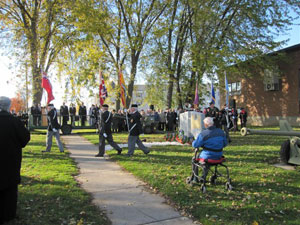
The Launch of Highway of Heroes
On Sunday, October 17, the Royal Canadian Legion in Fredericton held a memorial service for soldiers who have died in Afghanistan. It was held outdoors around the monument to fallen soldiers that was unveiled a year ago. It was a moving ceremony with a laying of wreaths by various dignitaries and members of the fallen…
Read More...Highway of Heroes – The First Review is In
Appropriate, I think, that the first review for Highway of Heroes appears in Fredericton’s “Daily Gleaner” on the day I’m preparing to go there to launch the book. If you’re in the Fredericton area, I hope I’ll see you – at the bookstore in Oromocto on Friday, Westminster Books in Fredericton on Saturday, or at…
Read More...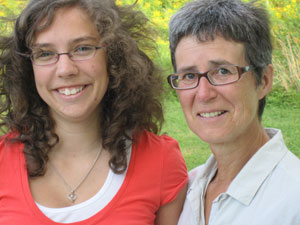
Meeting a Reader and Writer
Joanna Perkin first wrote me in 2003 to tell me she’d enjoyed reading the first two Marie-Claire books. I wrote her back, she wrote me back, and so on. We kept up a correspondence – about books we’d read and about writing stories, because like me Joanna is both a reader and a writer –…
Read More...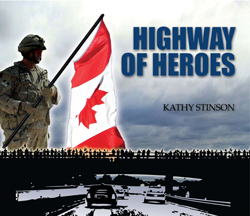
My Latest Book – Highway of Heroes
Each time a fallen soldier returns to Canada, thousands of ordinary Canadians from all walks of life line the bridges over the Highway of Heroes to pay their respects to the soldier and the soldier’s family. Highway of Heroes is a photographic picture book that tells the fictional story of one boy’s journey down the Highway…
Read More...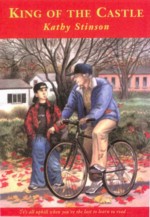
International Literacy Day
I thought it would be appropriate to end my summer reading series of blog posts on International Literacy Day with an excerpt from my novel, King of the Castle – inspired by Elijah Allen, a school caretaker who learned to read when he was a grandfather, and then went on to urge youngsters in Canada’s…
Read More...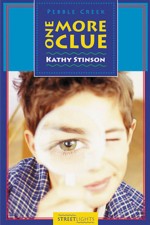
Summer Reading Excerpt #8
Summer storms can be fun, but not when you’re alone in a graveyard at night – like Matt is in One More Clue, the last in a 3-book series of summer adventures for young readers. … Just then a flash of lightning lit the sky. On the wind rode another rumble of thunder. If Matt…
Read More...A Potent Argument for Reading Aloud
Do you read out loud to your kids? Do you read out loud to your friends? Here’s a very short excerpt of a book I’m reading – Frankie & Stankie by Barbara Trapido. Not one of the books quite throws at Dinah, as Pride and Prejudice does, how dialogue can lift and dance on points, how sentences…
Read More...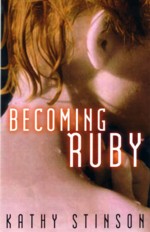
Summer Reading Excerpt #7
Is there anything more wonderful when you’re a fifteen year old girl, than dancing through a summer evening with a boy you really like – except when he walks you back to your cottage after? Walking back to the cottage, Daniel keeps his arm around me all the way, and we talk some more and…
Read More...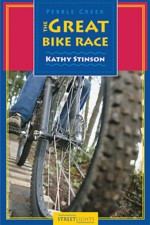
Summer Reading Excerpt #6
In The Great Bike Race, the second in a 3-book series of summer adventures… … “Hey, Matt!” Lennox laid some rubber in front of the ice cream store. “Look at this new baseball I just got.” He thrust it into Matt’s hand. “Wanna go try it out?” Matt crammed the last of his cone into…
Read More...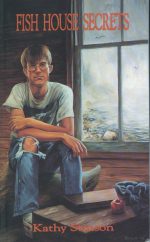
Summer Reading Excerpt #5
Fish House Secrets is a young adult novel about two teens from very different backgrounds whose lives intersect for a few days on the south shore of Nova Scotia. This excerpt comes before the two meet. Jill Birds flap and shriek. A maze. Which way? A mother holds a little girl’s hand, leads her away from…
Read More...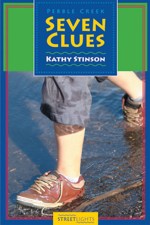
Summer Reading Excerpt #4
From Seven Clues, the first in a 3-book series of early chapter book summer adventures — … The wheels of Matt’s plain, old bike and David’s new BMX spun freely along the pavement. The breeze cooled the boys’ faces and necks. But they had not gone far when Matt’s bicycle ground to a stop. “Oh,…
Read More...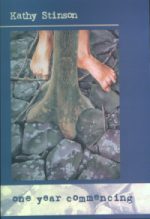
Summer Reading Excerpt #3
This week’s summer reading excerpt is taken from One Year Commencing. In Chapter 4, Al is trying to figure a way out of doing what a court order has said she has to do – stay at her dad’s for a year, and after that decide whether to stay with him or go back out…
Read More...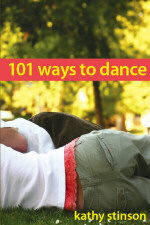
Summer Reading Excerpt #2
The second in my “summer reading” series is an excerpt from “Between Mars and Venus”, one of the short stories for young adults in 101 Ways to Dance. One evening shortly before summer holidays, Susan takes Melina, the new girl from school, to the beach near where they live. … The water is like glass. There…
Read More...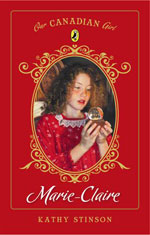
Summer Reading Excerpt #1
In the coming weeks, my blog will feature periodic postings of “summery” excerpts from some of my books – starting today with a short snippet from – hot off the press! – Marie-Claire. All four of the original Marie-Claire stories appear in this handsome treasury edition. “Lucille, do you mind if we find somewhere to…
Read More...The Osborne Collection
Last week I said I’d say more on the subject of scrapbooks. I started keeping one in 1982 after my first book, Red is Best, was published. I put my rejection letters in it, the letter Annick sent saying they’d like to meet with me, the earliest Robin Baird Lewis sketches I saw that convinced…
Read More...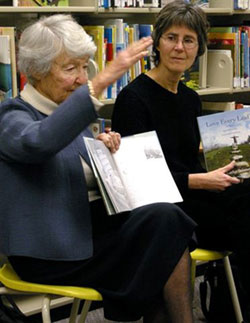
Happy B-Earth Day to me!
Can’t believe I let this opportunity to mention a great book about one of Canada’s first environmentalists go by yesterday! I’m referring of course to Love Every Leaf: the life of landscape architect Cornelia Hahn Oberlander. I’ll blame it on being too focused on my birthday. 🙂 I’m grateful to Linda Granfield for sending me…
Read More...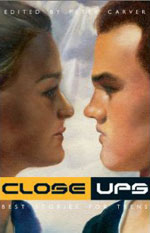
“Babysitting Helen”
When I was introduced to teen writers at an event in Guelph last year, one of the participants said, “Kathy Stinson! Did you write “Babysitting Helen“?” It’s not the ending of the question ‘Did you write…?’ that I’m used to hearing! The girl had read the story in her grade nine English class – probably…
Read More...
International Women’s Day
If you’re looking for a good way to celebrate International Women’s Day, what better way than with a gift to a young woman you admire? And what better gift than the inspiring story of a remarkable woman? May I say that Love Every Leaf: the life of landscape architect Cornelia Hahn Oberlander would be a…
Read More...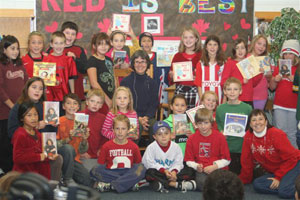
It's "Wear Red" Day
Did you know that today is “Wear red” day? And no, I didn’t make that up! Even though as author of Red is Best, maybe I should have. 🙂 Red’s not your colour, you say? You have nothing red in your closet? Why not – just for today – borrow something from your sister, your…
Read More...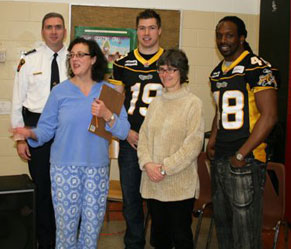
Another Thing About Reading
So, what do I have in common with two football players, a policeman, and a woman in pyjamas? We were all part of Family Literacy Day at Dr. J. Seaton School in Sheffield this week. Linda Fleming (in pyjamas like most of staff and students that day) organized the event at which two Hamilton Tiger…
Read More...Three Things About Reading
I was thinking about blogging about good books I’ve read lately when two things happened. I got a letter from a girl in New Brunswick who first wrote me almost seven years ago, and I was asked if I would go back to Liberia to do some more work with writers there. The NB girl…
Read More...And speaking of lists…
Every year, Resource Links publishes a list of the best books in the categories of Picture Books, Fiction Grades 3-6, Non-Fiction K – Grade 6, Fiction Grades 7-12, Non-Fiction Grades 7-12, Professional Resources, Audio Visual Resources, and French Resources. And which Kathy Stinson book made the list for 2009? The 25th anniversary edition of Big…
Read More...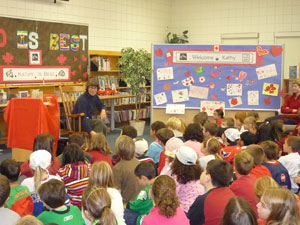
Students All in a Buzz
Nancy Evans is a teacher-librarian in London, Ontario. She sent me a thank you note recently that made my day and she’s given me permission to post it here, along with the accompanying photos. I wanted to sincerely thank you for sharing time with us. Our students are all in a buzz this week as…
Read More...A Book for Every Youngster
Picture this. I’m having breakfast (last week), listening, as usual, to CBC Radio. Andy Barrie is interviewing a bookseller and children’s author because it’s Canadian Children’s Book Week. After a few minutes, after several American titles have been mentioned, I grumble to my husband, “You’d think one of them could name a Canadian title.” (I…
Read More...Inspirational Role Models
It seems fitting, it being Inspirational Role Models Month in the US, that I should meet this week with a professor from Smith College to discuss her work on a book about Cornelia Hahn Oberlander. “Like you,” she said in her initial email contact, “I was asked by Cornelia to write a book, and like…
Read More...A New Honour for “Love Every Leaf” Subject
Congratulations to Cornelia Hahn Oberlander, who has been promoted to Officer of the Order of Canada “for her influence and contributions as a landscape architect who sets new standards of excellence through her environmentally responsible landscape designs.” Members of the Canadian Society of Landscape Architects will have the opportunity to hear her speak at the organization’s…
Read More...A Title “of Exceptional Calibre”
When my gardening plans got rained out this afternoon, I opened up my copy of “Best Books for Kids & Teens” which had just arrived in my mailbox. As I always do, I turned to the index in a hopeful (and egocentric) search for my name. (“Best Books…” is the Canadian Children’s Book Centre’s annual…
Read More...Another Treasure for My Pocket
Last night, at the CANSCAIP Mentor’s Dinner honouring my husband, Peter Carver, I learned from Rick Wilks of Annick Press that A Pocket Can Have A Treasure In It has been short-listed for the Ruth & Sylvia Schwartz Award. Let’s hope that the young readers at Market Lane Junior School in Toronto make their selection for…
Read More...A Pocket… Goes to Italy
A Pocket Can Have A Treasure In It will be on display in a special exhibition of recent books for toddlers and babies, during the IFLA (International Federation of Library Associations) Congress in Rome in August. A Pocket Can Have A Treasure In It has also been shortlisted for the 2009 CLA Amelia Frances Howard-Gibbon Award, recognizing an illustrator…
Read More...South Africa
I’d been told to expect elephants, giraffes, zebras, rhinos, and more. And I suspected that if we did, it would be fun. But I had no idea how exciting it would be. For fifteen years my husband’s cousin John and his wife Veda urged us to visit them in South Africa. When we finally went…
Read More...Children's Book Week 2008 – A Few Highlights
Between November 17 and November 21 I met with roughly 900 kids and the many adults (teachers, librarians, and parents) who accompanied them to a total of 17 readings. Here are just a few moments from that week that I carry with me still, now that I’m home again. 1. When the bell rang to end…
Read More...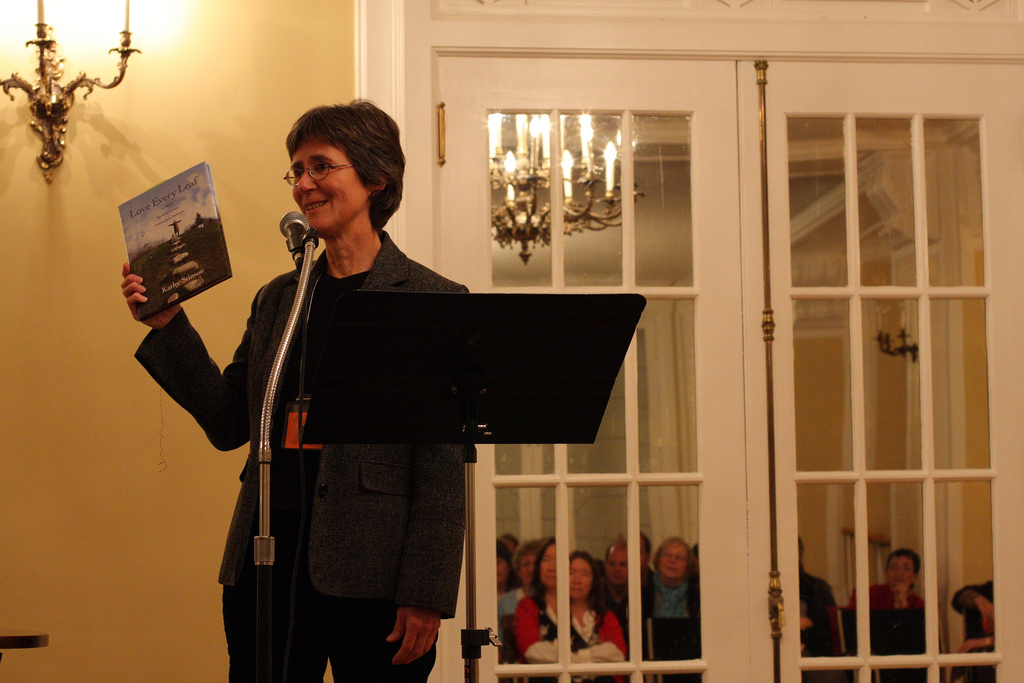
A “Desert Island” Author
That’s how I was introduced last week before speaking to the Children’s Literature Roundtable in Vancouver. “The great thing about Kathy is that she is the ultimate desert island writer,” said Shannon Ozirny, a dynamic young grad student, soon to be fantastic librarian. “Now, I know you’re all wondering, ‘What the heck is a desert island…
Read More...TPL’s First and Best!
Hurray! Toronto Public Library has chosen A Pocket Can Have A Treasure In It for their 2008 “First and Best” list. That’s a list of the best Canadian children’s books for building reading readiness in children birth to five. To see the 2007 list, click here.
Read More...National Landscape Architecture Month
A couple of weeks ago I received a very excited phonecall from Cornelia Oberlander. She wanted to tell me that April 2008 – the very month my biography about her was being released – had been declared “National Landscape Architecture Month”. The reason? The American Society of Landscape Architects wants to encourage students and parents to “Discover…
Read More...A Treasure for My Pocket
Two big surprises at the Literacy Conference in Burlington last weekend. The onsite bookseller, Different Drummer, had on hand a big stack of Love Every Leaf: The Life of Cornelia Hahn Oberlander – and it wasn’t scheduled for release till several days later! (It looks gorgeous, and after I spoke about it briefly during my…
Read More...I've Got Mail
Once in a while something lands in your inbox that just makes your day. Such was the case for me recently, when a literacy consultant in Simcoe County wrote to tell me about the impact of my book King of the Castle on her and some people she knows. “I am writing a biography about…
Read More...A Pocket Can Have A Treasure In It
It’s now available! My first brand new picture book in sixteen years! Dave Jenkinson at CM (Canadian Materials) – a friend since I did my first Book Week tour in his province (Manitoba) in 1983 and who was sent a review copy – said, “Loved the imagination of it & the wonderful twist at the…
Read More...A Pocket… unveiled
What fun it was to read my brand new, hot off the press, advance copy of A Pocket Can Have A Treasure In It to a huge roomful of enthusiastic parents and their preschoolers on Saturday. The crowd that had gathered for Port Colborne’s first family literacy event to celebrate the joys of reading together…
Read More...Hurray! Another contract!
As if I’m not already delighted enough to have a new picture book coming out next year (the first brand new one in sixteen years!) as well as a biography for adolescent readers (my first ever biography!) — I have just signed a contract for a totally new take on the theme I explored in…
Read More...